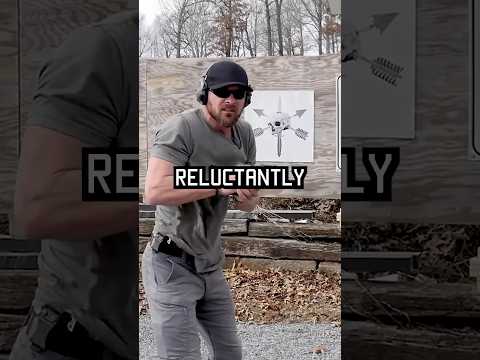
Concealed Pro Makes It Look Easy | Active Self Protection

Published on April 12, 2019
Duration: 10:40

This video from Active Self Protection, featuring John Correia, breaks down a real-world carjacking incident. It emphasizes the critical importance of drawing and engaging quickly, the 'Rules of Stupid' (Farnam's Law) to avoid dangerous situations, and the necessity of drawing from concealment while moving. The analysis highlights the officer's rapid reaction and effective target transition, offering valuable lessons for concealed carriers facing immediate threats.

Quick Summary

Learn critical concealed carry techniques from Active Self Protection: drawing from the holster quickly, employing lateral movement to evade attackers, and understanding Farnam's Law ('Rules of Stupid') to avoid dangerous situations. This analysis of a carjacking incident highlights rapid engagement and target transition for survival.

Chapters

  1. 00:00Introduction to Incident
  2. 00:35CCTV Footage: Carjacking Attempt
  3. 02:08Key Tactical Lessons Overview
  4. 02:20The Rules of Stupid Explained
  5. 03:17Analysis: Drawing from the Drop
  6. 04:48Importance of Movement While Drawing
  7. 07:10Handling Multiple Attackers
  8. 08:53Post-Incident Assessment Protocol

Frequently Asked Questions

What are the 'Rules of Stupid' in self-defense?

The 'Rules of Stupid,' also known as Farnam's Law, advise against going to stupid places, with stupid people, at stupid times, or to do stupid things. This principle helps individuals avoid high-risk situations that could lead to violent encounters.

Why is lateral movement crucial during a defensive gun engagement?

Lateral movement is critical because standing still at close range (under 5 yards) makes you an easy target for an attacker. Moving unpredictably helps increase your survivability and makes it harder for the threat to acquire and maintain a clear shot on you.

How quickly can a trained individual engage a threat in a carjacking scenario?

In a carjacking scenario, a trained individual can engage the primary threat within approximately two seconds of the threat presenting itself. This rapid response is crucial for survival, even if the attacker already has a weapon drawn.

What are key considerations after a defensive shooting incident?

After a defensive shooting, key considerations include assessing if you hit the threat, if your actions were effective, whether you sustained injuries, the status of any partners, and the operational readiness of your firearm.

Related News

All News →

More Tactical & Gear Videos You Might Like

More from Active Self Protection

View all →