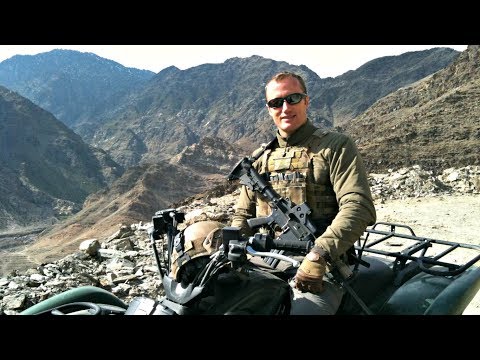
Custom Vs Production Blades and Sheaths : Atienza Kali

Published on November 13, 2024
Duration: 18:47

This video details the meticulous process of designing and fitting custom blades and sheaths, contrasting them with production models. The focus is on tailoring every aspect of the knife, from blade shape and handle ergonomics to weight and balance, to the specific needs, physical condition, and intended use of the individual user. Custom sheaths are also discussed, emphasizing retention, carry options, and ambidextrous capabilities.

Quick Summary

Custom blades are individually crafted to meet specific user needs, considering ergonomics, intended use, and personal physical characteristics for a tailored fit and performance. This contrasts with production knives, which are mass-produced with standardized designs and materials, often prioritizing cost and broad appeal over individual customization.

Chapters

  1. 00:06Introduction: Blades and Sheaths
  2. 00:18Production vs. Custom Blades Explained
  3. 00:43Production Blade Grinding Issues
  4. 01:01Production Blade Handle Limitations
  5. 01:13G10 Handle Material Discussion
  6. 01:53Custom Blade Design Process Begins
  7. 02:09Designing a Custom Blade: Rough Draft to Prototype
  8. 02:44Feedback Loop for Custom Blade Design
  9. 03:00Handle Design Based on Hand Size
  10. 03:16Custom EDC4 for Under-Armor Carry
  11. 03:51Adjusting Steel and Handle Materials
  12. 04:05Refining Blade Dimensions
  13. 04:12Personal Custom Blade Example (5-inch)
  14. 04:39Blade Thinness and Target Interaction
  15. 04:58Comfort as a Blade Design Parameter
  16. 05:10Reverse Grip Blade Considerations
  17. 05:15EDC5 vs. Other Custom Blades
  18. 05:24Purpose-Driven Custom Blade Design
  19. 05:30Weight Considerations for Custom Blades
  20. 05:36Custom EDC4: Tailoring to User Needs
  21. 05:41Measuring Hands for Custom Fit
  22. 05:56Handle Length vs. Blade Length
  23. 06:02Knives Without a Hilt: Hand Placement
  24. 06:11Blade Shape Towards the End
  25. 06:19Pommel Design Considerations
  26. 06:23Adjusting Grip for Strength and Injury
  27. 06:36Custom Blade for Missing Finger
  28. 06:58Custom Blade: Addressing User Fatigue and Injury
  29. 07:00Age-Related Issues and Blade Weight
  30. 07:18Adjusting Weight for Healing and Performance
  31. 07:24Customization Fills Industry Gaps
  32. 07:36Fatigue Dictates Blade Design
  33. 07:42Impact of Fatigue in Combat
  34. 08:04Conditioning and Engagement Duration
  35. 08:13Group Engagements and Stress Factors
  36. 08:19Blade Adjustment for Scenarios
  37. 08:27Young vs. Experienced User Blade Weight
  38. 08:37Civilian vs. Military User Needs
  39. 08:47Success of Custom Blade Adjustments
  40. 08:59Custom Blade Orders: Measurements and Injuries
  41. 09:06Lower Back Problems and Blade Swing
  42. 09:13Adjusting Weight and Length for Pain
  43. 09:23Customization for Trained Individuals
  44. 09:27Wicked Blade Examples (3-inch and 4-inch)
  45. 09:35Master Blades: The Wicked Design
  46. 09:47Customizing Wicked Blade Length and Handle
  47. 10:03Students as Custom Blades Analogy
  48. 10:11Production Training vs. Custom Student Needs
  49. 10:20Assessing Student Health for Customization
  50. 10:32Adjusting Blades for Physical Limitations
  51. 10:47Custom Barong Example
  52. 10:59Handle Fitment for Long Blades
  53. 11:07Hooks for Blade Retention When Fatigued
  54. 11:16Purpose of Blade Hooks
  55. 11:27Custom Toolis Blade Example
  56. 11:33Hook Fitment for Hand Size
  57. 11:42Hilt Importance to Avoid Riding Blade
  58. 11:47Calculating Exhaustion in Combat
  59. 11:53Solo Engagements and Non-Combatants
  60. 12:11Civilian vs. Soldier Mindset in Combat
  61. 12:14Soldier's Support Network
  62. 12:21Working with Teammates in Combat
  63. 12:36Blade Customization for No Weaknesses
  64. 12:44Production vs. Custom for High-Level Users
  65. 12:54Customization Similar to Firearms
  66. 13:08Ordering Custom Blades: Contact Information
  67. 13:13Custom Blade Inquiry Process
  68. 13:20Information Gathered for Custom Blades
  69. 13:31Pistol Carry as a Reference for Handle Size
  70. 13:44Workout Habits and Blade Weight
  71. 14:00Leg Injuries and Blocking Techniques
  72. 14:17Blade Impact and Weight Requirements
  73. 14:29Data Collection for Custom Blades
  74. 14:36Custom Blades for Display or Inheritance
  75. 14:43Custom Blades for Groomsmen Gifts
  76. 15:07Personalized Custom Blade Features
  77. 15:18Customization for Combat vs. Display
  78. 15:29Diana Tanza: Custom Sheath Introduction
  79. 15:39Custom Sheath Details: EDC4 Example
  80. 15:54Sheath Retention Testing
  81. 16:03Tighter Retention for LE/Military
  82. 16:11Everyday Carry Sheath Retention
  83. 16:18Ambidextrous Sheath Capabilities
  84. 16:24Sheath Orientation for Draw Style
  85. 16:37Reverse Grip Draw with Sheath
  86. 16:49Specifying Sheath Carry Preferences
  87. 16:57Fixed Clip Sheath Design
  88. 17:11Pivoting Clip Sheath Design
  89. 17:20Adjusting Sheath for Belt Thickness
  90. 17:43Pivoting Clip Option
  91. 17:49Custom Sheath Options at Atienza Kali
  92. 17:52Retention and Carry Customization
  93. 17:57MOLLE Vest Strapping
  94. 18:03Sheath Security During Movement
  95. 18:09Retention Testing Importance
  96. 18:15Blade Retention Demonstration
  97. 18:21Final Thoughts on Custom Gear
  98. 18:35Outro: Kit Badger

Frequently Asked Questions

What is the primary difference between a production knife and a custom knife?

A production knife is mass-produced with standardized designs and materials, often prioritizing cost and broad appeal. A custom knife is individually crafted to meet specific user needs, considering factors like ergonomics, intended use, and personal physical characteristics for a tailored fit and performance.

How does Atienza Kali approach custom blade design for individual users?

Atienza Kali designs custom blades by starting with a rough draft, creating prototypes, and extensively testing them with feedback from skilled users. They meticulously adjust blade shape, handle ergonomics, weight, and balance to match the user's hand size, physical condition, and specific operational requirements.

What factors are considered when customizing a knife sheath?

Custom sheath customization involves assessing retention needs (tighter for tactical use, looser for EDC), carry orientation (ambidextrous, left/right), clip type (fixed, pivoting), and how the sheath will integrate with the user's gear, such as MOLLE vests.

Why is blade weight and balance so important in custom knife design?

Blade weight and balance significantly impact user fatigue during prolonged use or high-intensity engagements. Customization allows for adjustments to compensate for user strength, injuries, or specific combat scenarios, ensuring optimal performance and reducing strain.

More from Kit Badger

View all →