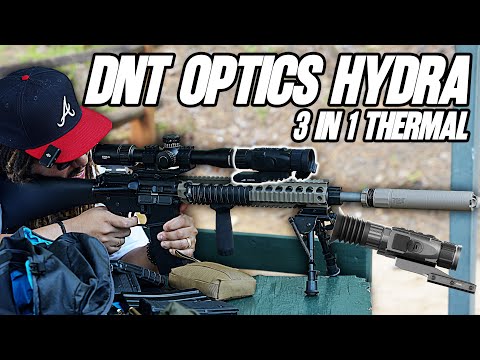
DNT Optics Hydra 3 in 1 Thermal Optic Review

Published on May 24, 2025
Duration: 18:27

This review covers the DNT Optics Hydra line, specifically the HS 325 and 635 models, highlighting their versatility as scopes, clip-ons, or monoculars. Key features include extensive reticle options, multi-rifle zeroing profiles, easy zeroing procedures with image capture, and recording capabilities. The review also touches on AI-enhanced super resolution and battery life, offering insights for both budget-conscious buyers and those seeking higher resolution.

Quick Summary

The DNT Optics Hydra thermal optic offers versatile functionality as a scope, clip-on, or monocular. Key features include AI-driven 'super resolution,' storage for up to 10 rifle zero profiles, and an easy zeroing process using image capture. The HS 325 is recommended for beginners due to its price point, while the 635 offers higher resolution for demanding applications.

Chapters

  1. 00:00Introduction to DNT Optics Hydra Thermals
  2. 00:31HS 325 vs. 635 Models
  3. 01:08What is a Thermal Optic?
  4. 01:16Scope Configuration & Reticles
  5. 01:40Multi-Rifle Zeroing Profiles
  6. 02:04Clip-On Functionality
  7. 02:49Easy Zeroing Feature
  8. 03:20Recording Capabilities
  9. 03:50Monocular Scanning Use
  10. 04:20Sponsor: 1775 Coffee
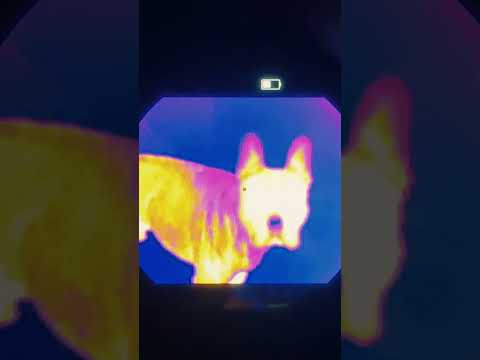
  11. 05:25Thermal Imaging Demonstration
  12. 06:40Performance in Brush
  13. 07:00635 Model Features
  14. 07:09Daytime Thermal Conditions
  15. 07:32Menu Navigation & Picture-in-Picture
  16. 07:46Magnification Settings
  17. 08:06Color Palettes (Black Hot, White Hot, Iron Hot)
  18. 08:37Brightness & Contrast Settings
  19. 08:53Clip-On Setting
  20. 09:02Wireless & Bluetooth Connection
  21. 09:06Zeroing Menu
  22. 09:16Reticle Options (FFP/SFP)
  23. 09:53Reticle Color Options
  24. 10:03Picture-in-Picture Settings
  25. 10:18Recording Settings
  26. 10:24Super Resolution Feature
  27. 11:08Visual Experience vs. Recorded Footage
  28. 11:19ITAR & Filming Restrictions
  29. 11:49Manual of Arms (Buttons)
  30. 12:22Front Cap & Lens Care
  31. 12:32USB-C Port Functionality
  32. 13:35External Battery Use
  33. 13:4118650 Battery Information
  34. 13:47Advertised vs. Actual Battery Life
  35. 14:12Recommendation: HS 325 for Beginners
  36. 14:22Firmware Updates
  37. 14:43DNT Optics YouTube Channel
  38. 14:54Mount Compatibility
  39. 15:10Flip-to-Side Functionality
  40. 15:21Budget vs. High Resolution Choice
  41. 15:34Resolution Impact at Distance
  42. 16:00Weight of the Optics
  43. 16:10Call to Action: Subscribe & Notifications
  44. 16:25Email List Benefits (Monthly Videos, Daily Deals)
  45. 17:05Text Message Alerts
  46. 17:24Final Recommendations
  47. 17:41Outro Music

Frequently Asked Questions

What are the main uses for the DNT Optics Hydra thermal optic?

The DNT Optics Hydra thermal optic is versatile, functioning as a primary rifle scope, a clip-on device for existing scopes, or a handheld monocular for environmental scanning. This makes it suitable for hunting, tactical applications, and general observation in low-light or no-light conditions.

How does the DNT Optics Hydra's 'super resolution' feature work?

The 'super resolution' feature utilizes an AI algorithm built into the optic to enhance the perceived resolution of the thermal image. This AI processing improves image clarity and detail, making it appear as if the optic has a higher native resolution.

Can the DNT Optics Hydra thermal optic be used on multiple rifles?

Yes, the DNT Optics Hydra thermal optic supports up to 10 different zero profiles. This allows users to zero the optic for multiple rifles and easily switch between them by selecting the appropriate stored profile within the device's menu.

What is the recommended model for beginners looking into thermal optics?

For individuals new to thermal optics, the HS 325 model is highly recommended. It offers a good balance of features and performance at a more accessible price point, making it an excellent entry-level option without compromising on core thermal capabilities.

How do you zero the DNT Optics Hydra thermal optic?

Zeroing is simplified by firing a shot, capturing an image of the impact point via a button press, then moving the reticle center to that impact and saving the zero. This process can be done for both scope and clip-on configurations.

Related News

All News →

More Tactical & Gear Videos You Might Like

More from Mrgunsngear Channel

View all →