DO NOT PANIC!

Published on November 23, 2024
Duration: 1:01

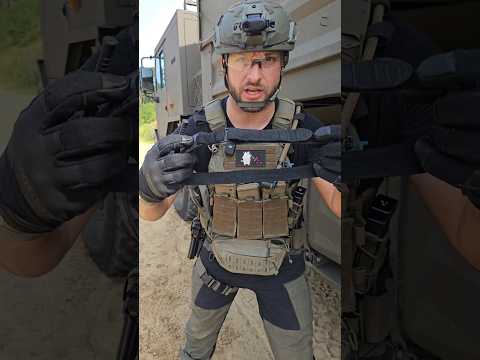
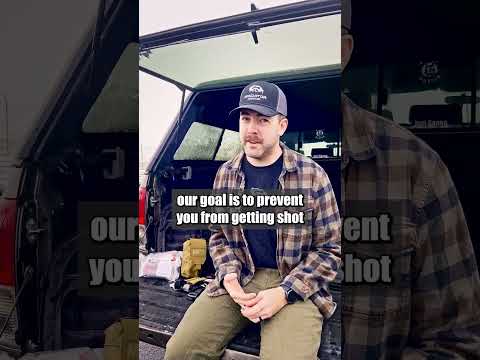
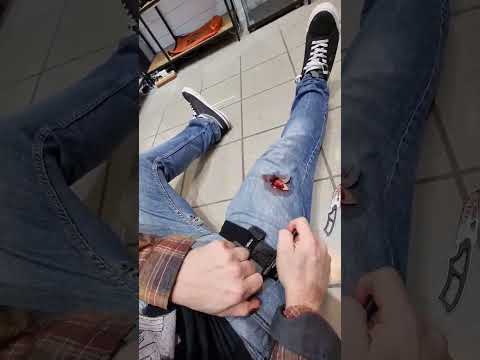
This guide details the expert-level application of the Dnipro-Pro Tourniquet, emphasizing immediate action for massive bleeding. The instruction highlights proper placement, significant initial tightening, windlass operation until bleeding ceases, and crucial steps for securing the device and documenting application time. It stresses that correct application is painful but vital for survival.


Quick Summary

Learn expert techniques for applying the Dnipro-Pro Tourniquet. Place it two inches above the wound, apply significant initial force, and turn the windlass until bleeding stops. Secure the windlass, use the Velcro strap, and record the application time for medical documentation.

Chapters

  1. 00:00Urgency of Bleeding Control
  2. 00:08Tourniquet Application Technique
  3. 00:23Placement and Initial Tightening
  4. 00:33Operating the Windlass
  5. 00:48Securing and Documentation

Frequently Asked Questions

What is the first step in applying a Dnipro-Pro Tourniquet?

The first critical step is to place the tourniquet at least two inches above the wound. If the limb is injured and cannot be moved, undo the strap to slide it underneath the limb instead of attempting to slide it over.

How tight should a windlass tourniquet be applied?

You must apply significant force to the strap to tighten it before using the windlass. Continue turning the windlass until the bleeding stops completely. Proper application is painful, and it's advised to turn the windlass extra for safety if possible.

What are the final steps after applying a windlass tourniquet?

After stopping the bleeding with the windlass, secure it in the clip, use the Velcro strap for added security, and crucially, record the time of application on the designated tab before calling emergency services.

Why is recording the application time important for a tourniquet?

Recording the exact time a tourniquet is applied is vital for medical professionals. It helps them estimate the duration of ischemia (lack of blood flow) and plan subsequent treatment, such as potential limb-saving interventions or amputation, more effectively.

More Tactical & Gear Videos You Might Like

More from Polenar Tactical

View all →