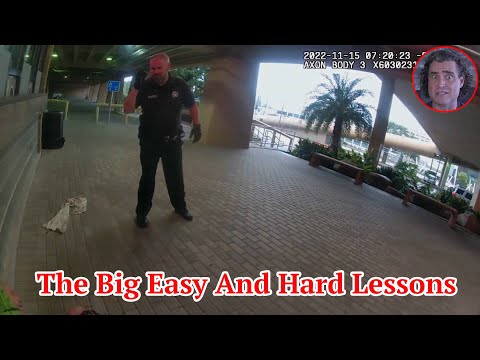
Felon Pulls Gun On Cops With Predictable Results

Published on May 16, 2024
Duration: 15:19

This video analyzes a Dallas PD bodycam incident where a felon pulled a gun on officers. John Correia, a recognized self-defense expert, breaks down the tactical decisions, the failure of a Taser due to clothing, the effectiveness of a contact shot, and emphasizes the critical need for clear tactical planning before engaging a suspect. The analysis highlights the extreme risks involved in such confrontations.

Quick Summary

Expert analysis of a Dallas PD bodycam incident reveals critical tactical lessons. John Correia highlights the failure of a Taser due to clothing, the effectiveness of a contact shot, and the paramount importance of pre-engagement tactical planning to designate roles and mitigate risks during suspect apprehension.

Chapters

  1. 00:00Introduction and Context
  2. 01:20The Confrontation
  3. 01:56Shooting Incident
  4. 03:27Tactical Analysis: Planning
  5. 05:27Hands-On vs. Firearm
  6. 08:12Taser Effectiveness
  7. 11:00Muzzle Awareness and Danger
  8. 12:03Contact Shot Mechanics
  9. 13:40Post-Incident Priorities

Frequently Asked Questions

What tactical lessons can be learned from the Dallas PD bodycam incident?

Key lessons include the critical need for pre-engagement tactical planning, designating roles like 'lethal cover', understanding the limitations of Tasers against heavy clothing, and the effectiveness of contact shots in close-quarters threats. Proper firearm retention and muzzle discipline are paramount.

Why did the Taser fail in the Active Self Protection video?

The Taser probes likely failed to achieve adequate skin contact due to the suspect wearing heavy and loose clothing, such as sweatshirts and jackets. This prevented the necessary neuromuscular incapacitation required for the device to be effective.

What is a contact shot and when is it used?

A contact shot is fired with the gun's muzzle pressed directly against the target. It's typically a last resort in extreme close-quarters situations, like the one depicted, to immediately neutralize a deadly threat when a suspect produces a weapon during a struggle.

What are the recommended post-incident priorities for law enforcement?

After neutralizing a threat, the immediate priority should be securing the suspect in handcuffs. Following that, transitioning to providing medical aid and then establishing radio communication for backup and reporting is advised.

Related News

All News →

More Tactical & Gear Videos You Might Like

More from Active Self Protection

View all →