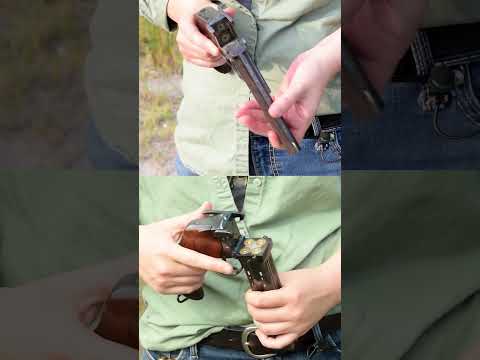
German 1898/05 Sawback Bayonet

Published on January 15, 2026
Duration: 2:14

This entry details the German 1898/05 Sawback Bayonet, a WWI-era edged weapon. Originally designed with a sawback for utility, its practicality in trench warfare was limited. The video highlights its history, the controversy surrounding its design, and the eventual modification or removal of the sawback feature due to troop concerns and evolving battlefield needs. Instruction comes from an expert with high authority in historical military equipment.


Quick Summary

The German 1898/05 Sawback Bayonet, often called a 'butcher bayonet,' featured a serrated spine for sawing light timber. However, its utility in WWI trench warfare was limited, especially for cutting thick posts. Consequently, the German army modified or removed the sawback from many models due to practical concerns and troop feedback.

Chapters

  1. 00:00Introduction: German 1898/05 Bayonets
  2. 00:12Sawback Feature and Utility
  3. 00:38Controversy and Barbarity Rumors
  4. 01:15Practicality in Trench Warfare
  5. 01:42Manufacturing Changes and Modifications

Frequently Asked Questions

What was the intended purpose of the sawback on the German 1898/05 bayonet?

The sawback feature on the German 1898/05 bayonet, consisting of two rows of teeth, was designed to provide additional utility by allowing soldiers to saw through light timber without significantly increasing the weight of their equipment.

Why was the German 1898/05 bayonet sometimes called a 'butcher bayonet'?

The German 1898/05 bayonet earned the nickname 'butcher bayonet' due to its robust design and, more significantly, the controversial sawback feature. Rumors circulated that it was considered a barbaric weapon, though concrete evidence for widespread execution of soldiers carrying them is lacking.

Was the sawback feature on the 98/05 bayonet practical in WWI trench warfare?

No, the sawback feature proved largely impractical in the context of WWI trench warfare. The thick posts used for wire entanglements were difficult to cut with the sawback, diminishing its perceived necessity and utility on the battlefield.

What changes were made to the German 1898/05 bayonet regarding its sawback?

Due to concerns about its limited utility and potential for negative perception, the German army began manufacturing 98/05 bayonets without the sawback. Additionally, many existing models had their sawback teeth ground off.

More from C&Rsenal

View all →