Goat Peak Adventure & Loadout - 2019

Published on January 5, 2020
Duration: 19:13

This video details a winter hike on Goat Peak, focusing on the loadout and gear used. The presenter, Ivan from Kit Badger, shares lessons learned about layering, footwear, and the performance of various tactical and outdoor equipment in cold, snowy conditions. Key takeaways include the importance of proper layering for temperature regulation, the effectiveness of specific gear like gaiters and insulated water bottles, and the challenges encountered with firearms in snow, offering insights for anyone preparing for similar outdoor adventures.

Quick Summary

Essential gear for a winter hike includes waterproof boots with gaiters, layered clothing (merino base layers, softshell pants, insulated jacket, windproof shell), warm headwear and gloves/mitts, and snowshoes. Insulated water bottles and a ground pad are also crucial for comfort and survival in cold conditions. Challenges with firearms in snow, like RMRs filling up, highlight the need for careful gear selection and preparation.

Chapters

  1. 00:10Introduction & Adventure Setup
  2. 01:10The Hike Begins
  3. 02:18Decision to Turn Back
  4. 02:53The Descent & Gear Takeaways
  5. 03:40Footwear & Gaiters
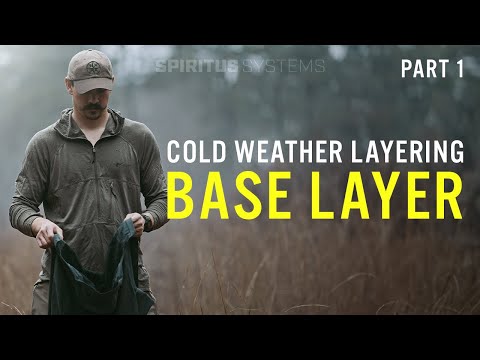
  6. 04:10Socks & Base Layers
  7. 04:53Pants & Shell Layer
  8. 05:22Top Layers & Insulation
  9. 06:14Headwear & Temperature Regulation
  10. 06:59Gloves & Hand Protection
  11. 07:34Snowshoes
  12. 08:19Additional Layers & Mittens
  13. 09:32Insulated Jacket Layer
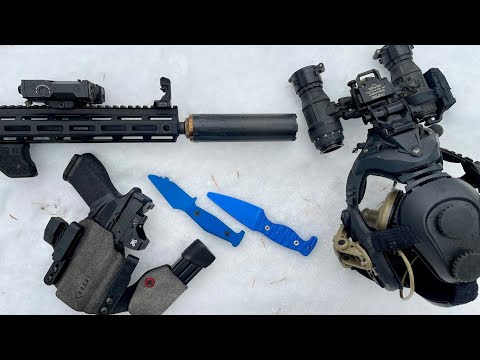
  14. 10:12Firearm Loadout - Pistol
  15. 11:21Firearm Loadout - Rifle
  16. 13:20Pack & Organization
  17. 13:44Unused Gear
  18. 14:07Water & Hydration
  19. 14:31Survival Gear
  20. 15:01Extra Clothing Layers
  21. 16:11Medical & Essentials
  22. 16:32Stove & Cooking
  23. 16:49Electronics & Power
  24. 17:15Food & Water Melting
  25. 17:33Conclusion & Learning

Frequently Asked Questions

What gear is essential for a winter hike like the one on Goat Peak?

Essential gear includes waterproof boots with gaiters, layered clothing (merino base layers, softshell pants, insulated jacket, windproof shell), warm headwear and gloves/mitts, and snowshoes. Insulated water bottles and a ground pad are also crucial for comfort and survival in cold conditions.

What challenges can arise when carrying firearms during a winter hike?

Snow can easily fill firearm components like red dot sights (RMRs) or rifle muzzles, rendering them inoperable. The extreme cold can also potentially affect firearm mechanisms, as seen with a front sight dislodging from a rifle.

How important is layering clothing for winter outdoor activities?

Layering is critical for regulating body temperature during high-exertion activities like winter hiking. It allows you to adapt to changing conditions and your own body heat output by adding or removing garments, preventing overheating or chilling.

What are the benefits of using mitts over gloves in cold weather?

Mitts are generally warmer than gloves because they keep all fingers together, allowing them to share and retain heat more effectively. This makes them a superior choice for prolonged exposure to cold temperatures.

More Tactical & Gear Videos You Might Like

More from Kit Badger

View all →