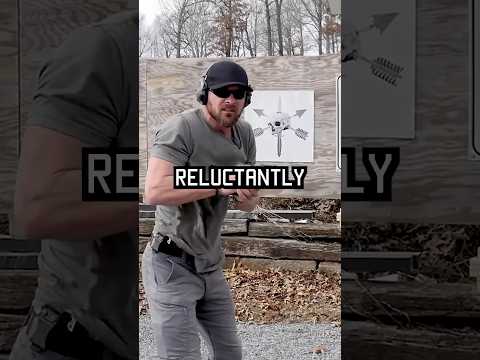
Good Samaritan Steps In At Jewelry Shop

Published on April 28, 2019
Duration: 6:59

This analysis from Active Self Protection breaks down a critical incident where a CCW holder intervened in a jewelry store robbery. The video, featuring insights from John Correia and referencing experts like Chuck Haggard, highlights the significant risks and complexities of third-party encounters, the critical difference between concealment and cover, and the vital role of emotional fitness under duress. It emphasizes that while intervention can be heroic, it carries profound legal and physical dangers.

Quick Summary

Expert analysis of a jewelry store robbery intervention by a CCW holder reveals critical lessons. Key takeaways include the high risks of third-party encounters, the vital distinction between concealment (hiding) and cover (ballistic protection), and the necessity of emotional fitness for effective action under duress. Hesitation can be fatal, underscoring the need for decisive engagement.

Chapters

  1. 00:00Introduction: Jewelry Store Robbery in Las Vegas
  2. 00:27The Robbery and Escape
  3. 00:59Good Samaritan Intervention and Gunfight
  4. 01:53Key Tactical Lessons Learned
  5. 03:30Analysis: Third-Party Intervention Risks
  6. 04:31Analysis: Concealment and Marksmanship

Frequently Asked Questions

What are the primary risks of intervening in a third-party encounter like a robbery?

Intervening in a third-party encounter carries significant risks, including potential legal repercussions and severe physical danger. The analysis highlights that while the intent may be to help, the defender in this incident was shot multiple times, underscoring the life-threatening nature of such actions.

What is the difference between concealment and cover in a firearms engagement?

Concealment, such as a thin wall or furniture, merely hides you from view but offers no protection from bullets. Cover, on the other hand, is substantial enough to stop gunfire and provide ballistic protection. The video stresses that mistaking concealment for cover is a critical error.

Why is emotional fitness important for a concealed carry permit holder?

Emotional fitness is crucial for maintaining clear thinking and effective decision-making under extreme stress. During a violent encounter, the ability to manage fear and adrenaline allows for better tactical choices, accurate shooting, and overall survival, as emphasized in the analysis.

What tactical lesson can be learned from the defender's hesitation in the jewelry store incident?

The analysis points out that hesitation, even for a moment, can negate a tactical advantage, such as a counter-ambush opportunity. This delay allowed the suspects to initiate their attack, leading to the defender being shot. Prompt, decisive action is often key in defensive scenarios.

Related News

All News →

More Tactical & Gear Videos You Might Like

More from Active Self Protection

View all →