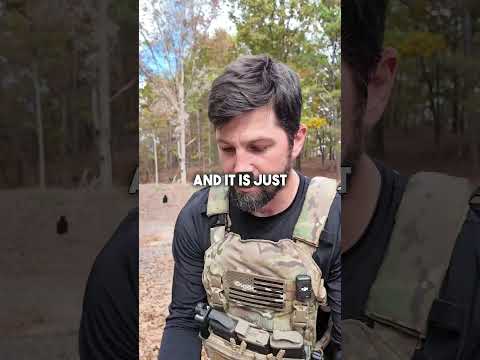
Gun Belt Setups with Navy SEAL Dorr

Published on May 21, 2023
Duration: 22:59

This guide details battle belt configurations and gear placement strategies, drawing on the expertise of former Navy SEAL Dorr, Director of Training at Tactical Hyve. It covers everything from minimalist maritime setups to EDC and land warfare considerations, emphasizing mission-specific logic and practical application. The video provides insights into choosing and arranging gear for optimal performance and safety across various operational environments.

Quick Summary

Former Navy SEAL Dorr explains optimal battle belt configurations, emphasizing mission-specific logic. Key setups include streamlined maritime gear, versatile range belts with Cobra buckles, and minimalist EDC options. He advises mounting knives on the support side and prioritizing comfort during heavy hiking by reducing hip-worn equipment.

Chapters

  1. 00:00Introduction to Battle Belts
  2. 01:08Maritime Loadout
  3. 04:12Range and Training Belt
  4. 06:48Heavy/Old School Belt
  5. 07:55Riggers Belt for Semi-Permissive Environments
  6. 09:29Land Warfare and Minimalist Hips
  7. 11:26Knife and Tool Placement
  8. 14:12Helo Lanyards and Anchor Points
  9. 15:29Modern Minimalist Setup
  10. 17:38Low-Vis and EDC Setup

Frequently Asked Questions

What are the key considerations for configuring a tactical battle belt?

Key considerations include the operational environment (maritime, land, range), the need for accessibility versus load-bearing capacity, and personal comfort. Former Navy SEAL Dorr emphasizes mission-specific logic, such as streamlining for maritime use or minimizing hip wear during hiking.

How should a fixed blade knife be mounted on a tactical belt?

According to former Navy SEAL Dorr, fixed blade knives should typically be mounted on the support side (left hip) to avoid interfering with a pistol draw and to enhance safety, particularly during rappelling operations where a rope could otherwise cut through the sheath.

What is the difference between first-line and second-line gear in tactical setups?

First-line gear is immediately accessible and critical for immediate action, like a sidearm and spare magazines. Second-line gear provides support and is carried but not needed for instant response, such as extra ammunition or tools, with battle belts often bridging this gap.

What are some recommended brands for tactical belt components?

The video mentions several reputable brands for tactical gear, including Ronin for belts, Safariland for holsters with QLS systems, High Speed Gear for versatile 'Taco' magazine pouches, and Vetter Holster for Kydex options. NeoMag is noted for pocket magazine holders.

Related News

All News →

More Tactical & Gear Videos You Might Like

More from Tactical Hyve

View all →