GUNTALK S3: First Person Defender - Ep5, Pt2

Published on November 8, 2013
Duration: 5:23

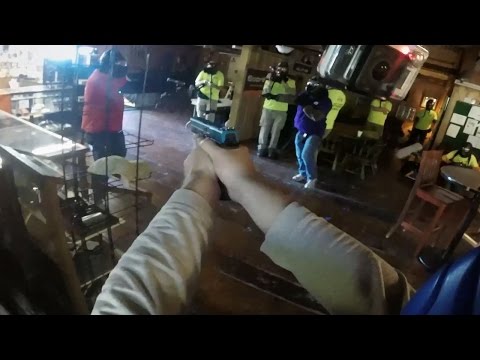
This video demonstrates the combat clearance technique for entering and clearing rooms, emphasizing staying outside the doorway to engage threats. It highlights the importance of pieing the door and using the threshold for cover and concealment, allowing for a safer and more effective room entry. The instruction is presented by experienced individuals, offering practical insights into defensive tactics.


Quick Summary

Combat clearance is a tactical technique for entering rooms, emphasizing engaging threats from outside the doorway. This method utilizes concealment and marginal cover at the threshold, allowing you to pivot and engage while minimizing your body's exposure. The goal is to stop aggressive actions from a distance before making a controlled entry.

Chapters

  1. 00:05Initial Scenario Setup
  2. 00:37Danger of Clearing Structures
  3. 00:57Combat Clearance Explained
  4. 01:13Demonstrating Combat Clearance
  5. 01:40Drawing and Clearing from Threshold
  6. 02:13Scenario Variation and Adaptation
  7. 02:43Second Scenario Start
  8. 03:00Tactical Awareness and Response
  9. 03:30Piecemeal Entry Technique
  10. 03:49Communication During Clearance
  11. 04:07Scenario Debrief and Analysis
  12. 04:34Simulated Engagement Analysis
  13. 04:50Real-World Engagement Challenges
  14. 04:57Concluding Thoughts on Training

Frequently Asked Questions

What is the primary principle of combat clearance?

The primary principle of combat clearance is to engage threats from outside the room whenever possible. This technique emphasizes staying as far off the doorway as you can, using concealment and marginal cover at the threshold to pivot and engage, minimizing your exposure.

Why is clearing a structure considered dangerous?

Clearing a structure is considered one of the most dangerous actions because it involves entering unknown environments with potential threats. Even with extensive training, it's impossible to guarantee 100% safety, especially when operating alone.

What is the 'pieing' technique in room clearing?

The 'pieing' technique involves slowly moving around a corner or doorway to gradually expose the area. This allows you to assess the situation and engage any threats from a position of relative safety before fully entering the room.

How does combat clearance differ from traditional room entry?

Combat clearance prioritizes engaging threats from outside the room, using the doorway as a tactical advantage. Traditional entry might involve immediate dynamic entry, whereas combat clearance focuses on controlled engagement from a distance before making entry.

Related News

All News →

More Tactical & Gear Videos You Might Like

More from Gun Talk Media

View all →