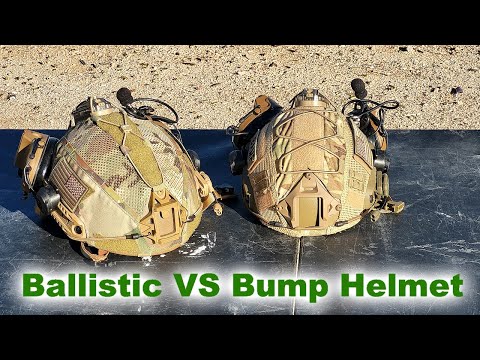
Helmet Overview by Garand Thumb and Lucas Botkin

Published on December 22, 2017
Duration: 11:49

This guide details the setup of tactical helmets, differentiating between ballistic and bump types. It covers the installation of essential accessories like night vision mounts (Wilcox G24, Unity Tactical MARK), ear protection (Safariland Liberator 5, MSA Sordin), cable management (TNVC Mohawk), and counterweights. The importance of secure retention systems and comfortable interior fit (Team Wendy BOA) is emphasized for optimal performance in various operational and recreational scenarios.

Quick Summary

Tactical helmets are categorized as ballistic (for projectile protection) or bump (for impact resistance). Essential accessories include NVG mounts like the Wilcox G24, ear protection such as Safariland Liberator 5, cable management systems like the TNVC Mohawk, and counterweights to prevent helmet slump. Proper fit is achieved with quality pads and closure systems like Team Wendy BOA.

Chapters

  1. 00:00Introduction: Ballistic vs. Bump Helmets
  2. 00:36Mike's Safariland Delta X Helmet Setup
  3. 01:35Ear Protection: Safariland Liberator 5
  4. 02:14Cable Management & Counterweights
  5. 03:59Interior Comfort: Pads & BOA System
  6. 05:02Lucas's MTEK Carbon Flux Helmet Setup
  7. 05:18Lucas's Accessories: Ear Pro & Lights
  8. 06:34Retention Hacks & NVG Mounts
  9. 08:23Civilian Use Cases for Helmets & NVG
  10. 09:20Strobes: Hel-Star vs. MS2000

Frequently Asked Questions

What are the key differences between ballistic and bump helmets?

Ballistic helmets are designed to provide protection against projectiles and fragmentation, often made from advanced materials like Kevlar or composite. Bump helmets, typically made from carbon fiber or plastic, are lighter and prioritize impact resistance from falls or blunt force, commonly used in training environments without ballistic threats.

Why is a counterweight important for a tactical helmet setup?

A counterweight is essential when using night vision devices (NVDs) or other front-heavy accessories. It balances the weight distribution, preventing the helmet from 'slumping' forward, reducing neck strain, and improving overall stability and comfort during extended use.

How can I improve the comfort and stability of my tactical helmet?

Achieve better comfort and stability by using high-quality interior padding like Ops-Core pads, and a secure closure system such as the Team Wendy BOA dial. Ensure the helmet fits snugly without excessive pressure points. Proper accessory mounting and cable management also contribute significantly.

What accessories are commonly used with tactical helmets?

Common accessories include night vision mounts (Wilcox G24, Unity Tactical MARK), communication headsets (Safariland Liberator 5, MSA Sordin), cable management systems (TNVC Mohawk), strobes (Core Survival Hel-Star), admin lights (Princeton Tec), and counterweights.

More Tactical & Gear Videos You Might Like

More from T.REX ARMS

View all →