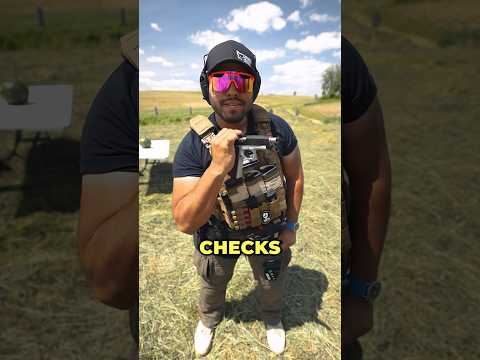
How To Not Lose Your Gun

Published on July 7, 2023
Duration: 0:36

This guide demonstrates how to ensure and test firearm retention in a duty holster, as explained by Johnny Q, a professional law enforcement officer. It covers the importance of secure holstering, the effectiveness of high-retention systems like Safariland's ALS/SLS against extreme movement, and the proper manual deactivation of retention mechanisms for a safe draw.

Quick Summary

Duty holsters with Level III retention, like Safariland's ALS/SLS, are engineered to prevent accidental firearm loss. These systems require specific manual actions to release the weapon, ensuring security during extreme physical activity. Law enforcement professionals emphasize testing retention and mastering the manual release for a safe and effective draw.

Chapters

  1. 00:00Introduction to Holster Security
  2. 00:07Retention Stress Test Demonstration
  3. 00:16Safariland Holster Features
  4. 00:29Manual Release Mechanism

Frequently Asked Questions

How can I ensure my firearm won't fall out of my duty holster?

Use a duty holster with active retention systems like Safariland's ALS/SLS. These require a deliberate manual action to release the firearm, preventing accidental loss even during vigorous movement, as demonstrated by law enforcement professionals.

What is the Safariland ALS/SLS retention system?

The ALS (Automatic Locking System) and SLS (Self Locking System) are retention features on Safariland duty holsters. They securely lock the firearm in place and require specific user actions, typically involving the thumb and finger, to disengage for a proper draw.

Can a duty holster firearm fall out during extreme physical activity?

High-quality duty holsters with advanced retention systems, such as Level III ALS/SLS, are designed to prevent firearm loss even during intense physical activity. Rigorous testing and proper use of retention mechanisms are key.

What is the purpose of a duty holster's retention mechanism?

Duty holster retention mechanisms are designed to prevent unauthorized access to the firearm and, critically, to prevent the firearm from falling out unintentionally during dynamic movements, pursuits, or physical altercations, ensuring officer safety.

More Tactical & Gear Videos You Might Like

More from Johnny Q

View all →