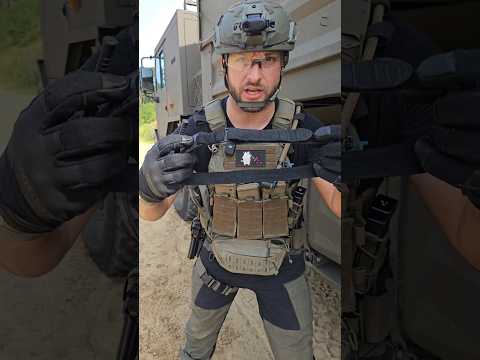
How To Save a Life With a Tourniquet: Tactical Tuesday

Published on December 5, 2017
Duration: 4:46

This guide details the proper application of a windlass-type tourniquet, such as the Soft T, for severe bleeding on an extremity. It emphasizes placement at least four inches above the wound, tightening to occlude blood flow, and confirming effectiveness via pulse check and capillary refill. The instruction comes from Anthony Lambert, a Chief Navy Corpsman, highlighting practical life-saving techniques.

Quick Summary

Learn to save a life with a tourniquet. Apply it at least four inches above a severe limb wound, never on a joint. Tighten the strap and windlass until blood flow stops, then confirm by checking for a distal pulse and performing a capillary refill test. Never remove the tourniquet once applied.

Chapters

  1. 00:00Introduction and Guest
  2. 00:22Tourniquet Demonstration Setup
  3. 00:26Tourniquet Type and Purpose
  4. 00:54Pre-Application Checks and Prep
  5. 01:25Tourniquet Application Steps
  6. 01:38Tourniquet Placement Guidelines
  7. 02:05Using the Windlass
  8. 02:28Post-Application Checks (Pulse & Cap Refill)
  9. 02:55Tourniquet Removal and Marking
  10. 03:12Where to Apply Tourniquets
  11. 03:22Arterial vs. Venous Bleeds
  12. 03:48Carrying First Aid Gear
  13. 04:12Further Training Resources

Frequently Asked Questions

What is the primary reason people die in combat or gunfights?

The number one reason people die in combat situations or gunfights is due to major blood loss. This highlights the critical importance of tools like tourniquets for immediate hemorrhage control.

Where should a tourniquet be applied on an injured limb?

A tourniquet should be applied at least four inches above the wound. It is crucial to never place a tourniquet directly on a joint, as this can compromise its effectiveness.

How can you confirm a tourniquet is applied correctly and is effective?

After application, check for a distal pulse below the tourniquet to ensure there is no pulse. A capillary refill test on a nail bed, where blood should not refill, also confirms complete restriction of blood flow.

Can a tourniquet be removed once applied?

No, once a tourniquet has been applied to stop severe bleeding, it should never be removed by the person who applied it. Removal is a medical procedure for trained professionals.

More Tactical & Gear Videos You Might Like

More from USCCA

View all →