How To Use Self-Defense Lights | First Person Defender Bonus

Published on July 11, 2021
Duration: 3:02

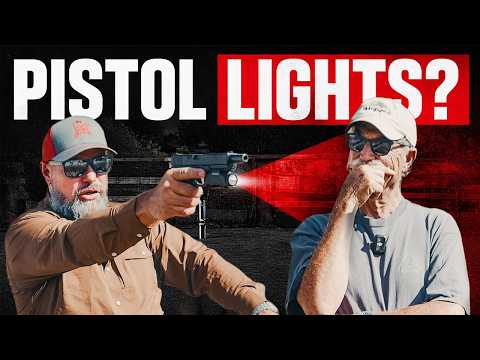
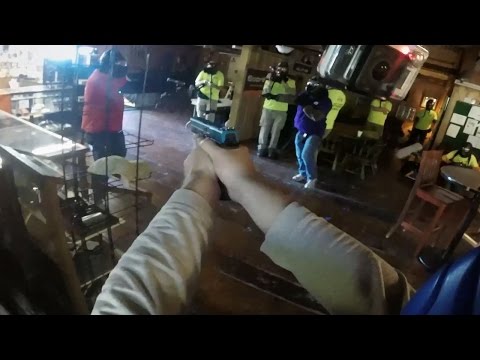
This guide, presented by Andrew Blubaugh of Apex Shooting and Tactics LLC, details the effective use of both handheld and weapon-mounted lights for self-defense scenarios. It emphasizes a 'search vs. shoot' doctrine, using handheld lights for initial identification and weapon lights for engagement, while also covering techniques for utilizing darkness and moving to cover after engagement.

Quick Summary

For self-defense, use a handheld light for searching and identifying threats without muzzling, and a weapon-mounted light for engagement. Employ a chin index with handheld lights for natural searching. After engagement, transition back to the handheld to survey your surroundings, or use darkness as cover by stowing the light and moving to cover.

Chapters

  1. 00:23Weapon Light Importance
  2. 00:30Products Used: SureFire Stiletto & XC2
  3. 00:38Searching with Handheld Light
  4. 01:01Search vs. Shoot Doctrine
  5. 01:16Utilizing Both Lights for Engagement
  6. 01:38Darkness as Cover/Concealment
  7. 01:54Disorientation and Movement
  8. 02:17Post-Engagement Transition

Frequently Asked Questions

What is the primary difference between using a handheld light and a weapon-mounted light for self-defense?

The primary difference is their tactical application. Handheld lights are best for searching and identifying threats without muzzling, while weapon-mounted lights are used for direct engagement once a target is positively identified and a threat is confirmed.

How should you search an area for a potential threat using a flashlight?

When searching, use a handheld flashlight. Employ a chin index to direct the light by moving your head. This allows for a more natural search pattern and helps identify friend or foe without inadvertently pointing your firearm at them.

What is the recommended procedure when transitioning from searching to engaging a threat with a firearm?

Once a threat is identified and engagement is necessary, present your pistol, activate the weapon-mounted light, and then turn off and stow your handheld light. This ensures you are focused on the threat with your primary engagement tool.

Can darkness be used as a tactical advantage in a self-defense situation?

Yes, darkness can be used for cover or concealment. After identifying a target with a handheld light, turn it off. This can disorient the adversary. Then, move to cover and re-engage with your weapon-mounted light if necessary.

Related News

All News →

More Tactical & Gear Videos You Might Like

More from Gun Talk Media

View all →