Is tungsten getting more expensive?

Published on January 27, 2026
Duration: 0:40

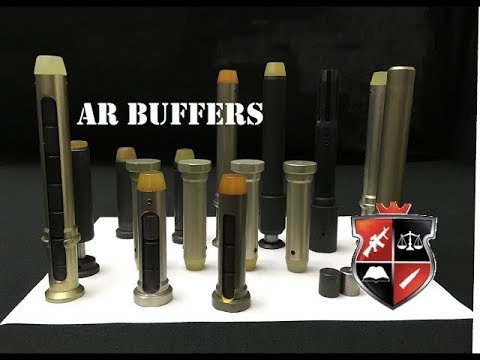
This entry details the rising cost of tungsten, a key material in AR-15 buffer systems (H1, H2, H3). The video highlights that tungsten's price increase directly impacts buffer costs, prompting a recommendation to purchase sooner rather than later. The speaker, identified as an industry professional, expresses uncertainty about the specific market drivers behind the price hike but emphasizes the tangible effect on firearm component expenses.

Quick Summary

AR-15 buffers (H1, H2, H3) are becoming more expensive due to the rising cost of tungsten, the material used for their internal weights. This price increase, observed over the last few years, affects the overall cost of these essential firearm components.

Chapters

  1. 00:00Identifying Tungsten in Buffers
  2. 00:15Rising Tungsten Costs
  3. 00:28Market Inquiry

Frequently Asked Questions

Why are AR-15 buffers getting more expensive?

AR-15 buffers, particularly H1, H2, and H3 models, are becoming more expensive primarily because the cost of tungsten, the key material used for their weight, has been steadily increasing over the past few years.

What causes the rattling sound in an AR-15 buffer?

The characteristic rattling sound often heard inside an AR-15 buffer tube is typically caused by the movement of the internal tungsten weights designed to manage recoil and cycling speed.

What are H1, H2, and H3 buffers?

H1, H2, and H3 buffers are different weight classifications for AR-15 carbine buffer systems. They utilize varying amounts or densities of tungsten to provide different levels of recoil mitigation and cycling characteristics.

Should I buy AR-15 buffers now?

Given the rising price trend of tungsten, the material used in AR-15 buffers, it may be advisable to purchase any needed spare buffers sooner rather than later to avoid potentially higher costs in the future.

More Tactical & Gear Videos You Might Like

More from AT3 Tactical

View all →