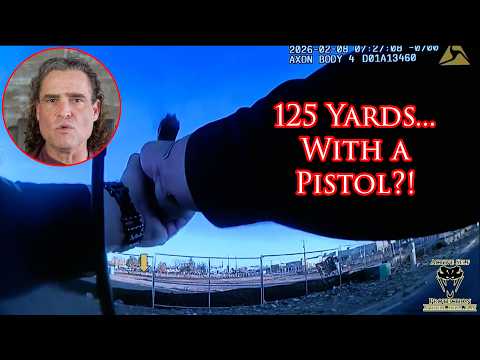
Knife-Wielding Suspect Gets Up After Being Shot

Published on October 4, 2021
Duration: 13:11

This video analyzes an officer-involved shooting where a knife-wielding suspect was engaged multiple times. Expert commentary from John Correia highlights critical tactical decisions, including the effective use of cover and lateral movement, and the importance of prioritizing threat neutralization over immediate radio communication. The analysis also covers post-shooting procedures, the dangers of a downed suspect re-engaging, and the psychological effects of high-stress environments like 'mistake of fact' and auditory exclusion.

Quick Summary

Expert analysis from Active Self Protection dissects an officer-involved shooting where a knife-wielding suspect re-engaged after being shot. Key takeaways include the tactical benefits of using patrol vehicles for cover and lateral movement, the critical importance of prioritizing threat neutralization over immediate radio communication, and the dangers associated with downed suspects potentially re-engaging. The video also addresses psychological factors like 'mistake of fact' and the need for mental health awareness.

Chapters

  1. 00:00Introduction and Sponsorship
  2. 00:35Incident Footage
  3. 02:40Tactical Analysis: Use of Cover
  4. 03:50Communication During a Fight
  5. 05:40Post-Shooting Procedures
  6. 08:05Mistake of Fact and Second Engagement
  7. 10:05Mental Health and Conclusion

Frequently Asked Questions

What tactical advantages does using a patrol vehicle offer during a confrontation?

Using a patrol vehicle provides crucial cover, allowing officers to avoid direct lines of fire. It also facilitates lateral movement, enabling officers to change their position and avoid being a static target, thereby buying valuable time to assess the situation and react effectively.

Why is it dangerous to immediately rush a downed suspect?

Rushing a downed suspect is dangerous because they may still be capable of re-engaging. They could have hidden weapons, or the initial engagement might not have fully incapacitated them, posing a significant risk of further violence to responding officers.

What is 'mistake of fact' in a high-stress situation?

'Mistake of fact' occurs when an individual acts based on a mistaken belief about the circumstances, often due to the extreme stress of a critical incident. This can lead to misinterpreting objects, like mistaking a cell phone for a weapon.

What is the primary recommendation regarding communication during a shooting incident?

The primary recommendation is to 'win the fight' first before engaging in communication with dispatch. While communication is vital, neutralizing the immediate threat to officer safety takes precedence during an active engagement.

Related News

All News →

More Tactical & Gear Videos You Might Like

More from Active Self Protection

View all →