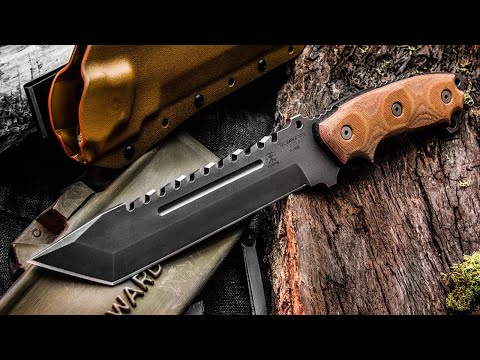
Knives! - Bill Quirk Covers Your Options

Published on January 18, 2021
Duration: 14:24

Bill Quirk of the Defensive Training Group discusses everyday carry (EDC) and defensive use of knives. He emphasizes that knives are primarily utility tools but can serve as a last-resort defensive option, stressing the chaotic nature of real knife fights and the likelihood of injury. Quirk covers folding and fixed blade options, legal considerations, sheath designs, carry positions, and the importance of training blades for proficiency.


Quick Summary

Everyday carry (EDC) knives are primarily utility tools for daily tasks like opening mail and boxes. While they can be a defensive option, real knife fights are chaotic and violent, with a high likelihood of injury. Optimal defensive knife placement is on the support side for quick access, especially if the primary hand is engaged with a firearm.

Chapters

  1. 00:00Introduction to Edged Weapons
  2. 00:21Disclaimer and Background
  3. 00:41Legalities of Carrying Knives
  4. 01:11Knife as Utility vs. Defense Tool
  5. 01:45The Reality of Knife Fights
  6. 03:27Defensive Scenarios for Knives
  7. 04:50Folding Blade Options
  8. 06:51Fixed Blade Knives
  9. 08:31Sheath Considerations
  10. 10:46Blade Placement and Carry
  11. 11:55Training Blades and Proficiency

Frequently Asked Questions

What are the primary uses for everyday carry (EDC) knives?

Everyday carry knives are primarily used as utility tools for common tasks such as opening mail, cutting boxes, and other daily chores. While they can serve as a defensive option, their main function is practical and convenient for everyday needs.

What is the reality of knife fights compared to movies?

Real knife fights are extremely violent, chaotic, and unchoreographed, unlike the stylized combat seen in movies. They involve gross motor skills, and participants are highly likely to sustain cuts, even if they emerge victorious.

How should one position a defensive knife for optimal access?

For defensive purposes, a knife should ideally be positioned on the support side of the body, typically in front of the hip. This allows for quick access with the support hand, which is crucial if the primary (shooting) hand is occupied with a firearm.

What are the main categories of knives discussed for tactical and EDC use?

The two primary categories of knives discussed are folding blades and fixed blades. Folding knives are often favored for their concealability and everyday utility, while fixed blades are generally considered more robust for tactical or survival applications.

More Tactical & Gear Videos You Might Like

More from Big Daddy Unlimited

View all →