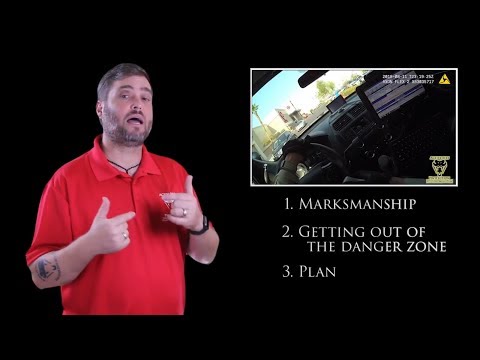
LVMPD Does An Exemplary Job

Published on October 6, 2019
Duration: 9:24

This analysis, presented by John Correia of Active Self Protection, breaks down an LVMPD bodycam incident involving a suspect armed with a stolen revolver. It highlights the importance of clear verbal commands, assessing engagement distance for marksmanship, and recognizing 'furtive gestures' as justification for use of force. The expert breakdown emphasizes tactical positioning and officer discipline during a high-stress confrontation.

Quick Summary

John Correia of Active Self Protection analyzes an LVMPD bodycam incident, emphasizing the critical need for law enforcement marksmanship proficiency at extended distances (50-60 feet). He details how 'furtive gestures' and clear, positive verbal commands contribute to the tactical and legal justification for use of force.

Chapters

  1. 00:00Introduction and Sponsorship
  2. 00:25Suspect Background
  3. 01:09The Confrontation
  4. 03:13Tactical Analysis: Distance and Marksmanship
  5. 04:25Verbal Commands and De-escalation
  6. 07:47Justification and Furtive Gestures

Frequently Asked Questions

What tactical considerations are important during a law enforcement confrontation like the one shown?

Key considerations include assessing engagement distance for accurate marksmanship, using clear and positive verbal commands for de-escalation, maintaining strict muzzle discipline, and recognizing 'furtive gestures' as potential justification for use of force.

Why is marksmanship proficiency beyond close range important for law enforcement?

Engagements can occur at extended distances, such as the 50-60 feet noted in the video. Officers need proficiency beyond typical 3-7 yard ranges to effectively and safely resolve these situations.

What constitutes a 'furtive gesture' in a tactical context?

A 'furtive gesture' is a sudden, rapid movement by a suspect, often interpreted as an attempt to access a weapon or resist. This action can provide the legal and tactical basis for an officer's use of force.

How can verbal commands be more effective in de-escalation?

Using clear, positive commands like 'Keep your hands up' is generally more effective than negative commands. This approach helps guide suspect behavior and reduces ambiguity during a tense encounter.

More Tactical & Gear Videos You Might Like

More from Active Self Protection

View all →