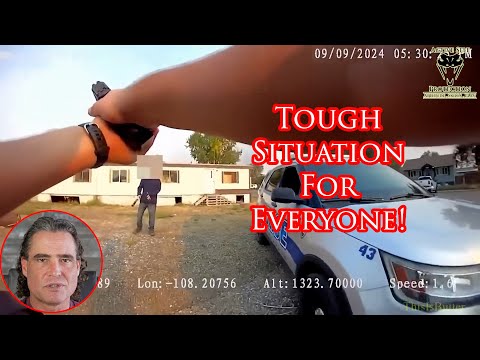
Officers Respond To Disorderly Conduct Call | Active Self Protection

Published on October 12, 2018
Duration: 9:14

This video, featuring John Correia, an Evidence-Based Defensive Trainer, analyzes a Louisville Metro PD response to a disorderly conduct call. It highlights critical tactical lessons including effective verbal commands, the limitations and failure rates of Tasers, and the crucial decision-making process for transitioning to firearm use when faced with an imminent threat. The analysis emphasizes officer discipline in medical aid and marksmanship post-engagement.

Quick Summary

Expert analysis of a police response highlights Taser limitations (50-60% failure rate) and the critical decision-making process for transitioning to firearm use when faced with an imminent threat. Key lessons include mastering verbal de-escalation and maintaining officer discipline in marksmanship and post-incident medical aid.

Chapters

  1. 00:00Introduction and Sponsorship
  2. 00:27Incident Overview: Louisville, KY
  3. 00:58Footage: The Chase
  4. 01:39Footage: Confrontation
  5. 02:25Footage: Use of Force
  6. 03:09Post-Incident Care
  7. 03:38Tactical Lessons
  8. 04:13Analysis: Verbal Commands
  9. 05:57Analysis: Taser Failure and Muzzle Awareness
  10. 07:49Analysis: Marksmanship and Assessment

Frequently Asked Questions

What are the key tactical lessons from the Louisville Metro PD incident?

Key lessons include mastering verbal de-escalation ('verbal judo'), understanding Taser limitations with a 50-60% failure rate, and knowing the precise moment to transition from less-lethal to lethal force (firearm) when facing an immediate threat.

Why are Tasers often ineffective in critical incidents?

Tasers can fail due to various factors, including probe spread, clothing interference, or suspect resistance. This video highlights a 50-60% field use failure rate, emphasizing the need for officers to have immediate follow-up tactics ready.

What is the importance of muzzle awareness in law enforcement encounters?

Muzzle awareness is critical for officer safety and preventing accidental shootings. It ensures that a firearm's muzzle is always pointed in a safe direction, typically away from oneself and fellow officers, especially during dynamic movements or engagements.

When should an officer transition from verbal commands to using a firearm?

An officer should transition to using a firearm when verbal commands and less-lethal options like Tasers have failed, and the suspect poses an imminent threat of death or serious bodily harm to the officer or others, such as charging with a weapon.

Related News

All News →

More Tactical & Gear Videos You Might Like

More from Active Self Protection

View all →