Mastering Pistol Draw Under Pressure

Published on February 13, 2025
Duration: 0:50

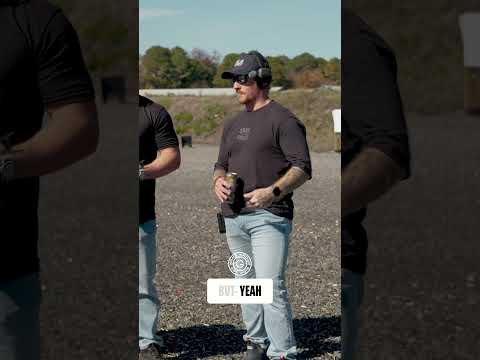
This guide, drawing on the expertise of DJ Shipley from GBRS Group, details a technique for drawing a pistol from a 3 o'clock holster under close-quarters pressure. It emphasizes using body mechanics, specifically bracing an elbow to create a 'post,' to clear garments and gain leverage against an opponent, highlighting the limitations of appendix carry in such scenarios. The instruction stresses the importance of training for physical duress beyond static range practice.

Quick Summary

Master pistol draws under pressure by understanding the limitations of appendix carry in a clinch. Utilize the 3 o'clock carry position, bracing your elbow against an opponent to create a 'post' for effective garment clearing and leverage, enabling a smoother draw.

Chapters

  1. 00:00Appendix Carry Limitations in Clinch
  2. 00:093 O'Clock Carry Advantages & Technique
  3. 00:33Combatives and Physical Duress Training

Frequently Asked Questions

What are the limitations of appendix carry in a close-quarters clinch?

Appendix carry can be compromised in a clinch because an attacker can easily grab or interfere with your hand, making it difficult or impossible to draw your firearm effectively without their direct interference.

How can 3 o'clock carry be advantageous under pressure?

The 3 o'clock carry position often allows for better leverage and creates more space between the wearer and an opponent. This positioning facilitates easier garment clearing and a more efficient draw stroke, even when facing physical resistance.

What is the 'post' technique for drawing a pistol?

The 'post' technique involves bracing your elbow against an opponent. This creates a stable point of leverage, allowing you to clear your garment more effectively and generate the necessary force to draw your pistol smoothly under duress.

Why is training for physical duress important for firearm draws?

Drawing a firearm under the weight and resistance of an opponent is significantly more difficult than static practice. Training for physical duress teaches crucial skills like leverage, body mechanics, and effective garment clearing under stress.

Related News

All News →

More Tactical & Gear Videos You Might Like

More from GBRS Group

View all →