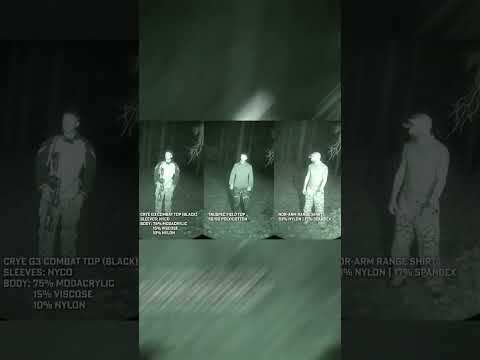
Night Vision Is Awesome

Published on May 31, 2023
Duration: 29:47

This video provides a comprehensive overview of the AGM NVG 40-3APW night vision device, detailing its image intensifier technology, analog vs. digital differences, and key features like manual gain and auto-gating. It covers practical aspects such as mounting, weight distribution with counterweights, battery life, and real-world applications including shooting at 300 yards. The review also touches on aiming methods and the growing 3D printing community for NVG components.

Quick Summary

The AGM NVG 40-3APW uses Elbit Gen 3 White Phosphor tubes with 2000 FOM and 31.6 SNR. Key features include manual gain control and auto-gating for eye protection. It weighs 22.5 oz, offers 20-hour battery life, and benefits from helmet counterweights for balance.

Chapters

  1. 00:00Introduction to Night Vision (NODs)
  2. 01:46Night Vision Basics & Resources
  3. 03:17Analog vs. Digital Night Vision Tech
  4. 04:06Image Intensifier Tube Mechanics
  5. 04:59Tube Specs: Gen 3 White Phosphor & Pricing
  6. 06:30Key Features: Gain & Auto-Gating
  7. 08:19Mounting & Articulation Explained
  8. 10:08Weight, Helmet Setup & Battery Life
  9. 13:33Practical Application: Night Shooting
  10. 18:37Aiming Methods: Active vs. Passive
  11. 23:133D Printing & Future NVG Projects

Frequently Asked Questions

What are the key technical specifications of the AGM NVG 40-3APW?

The AGM NVG 40-3APW features Elbit Systems Gen 3 White Phosphor tubes with approximately 2000 FOM and a 31.6 Signal-to-Noise ratio. It weighs 22.5 ounces and offers about 20 hours of battery life using AA or CR123A batteries.

How does auto-gating work in night vision devices?

Auto-gating rapidly cycles power to the image intensifier tube, protecting it and the user's eyes from sudden bright light exposure. This prevents damage and temporary blindness, crucial for dynamic environments.

What is the difference between analog and digital night vision?

Analog night vision uses image intensifier tubes to amplify ambient light, currently offering superior performance. Digital night vision converts the image to a digital signal, which is improving but generally less capable in low light.

Why is helmet counterweight important for NVG users?

Night vision devices are front-heavy. Counterweights balance the load on the helmet, reducing neck fatigue and improving comfort during extended use, especially with heavier units like the AGM NVG 40.

Related News

All News →

More Tactical & Gear Videos You Might Like

More from PSR

View all →