Nighttime Hunting Optics Tips & Tricks | Gun Talk

Published on December 15, 2020
Duration: 8:07

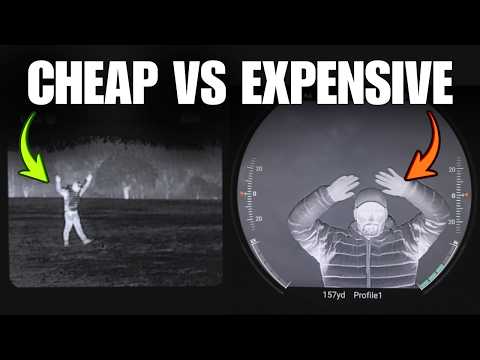
Ronnie Katzenberg, an ATN Pro Staff member, provides essential tips for nighttime hunting optics. He emphasizes optimal placement of infrared torches for night vision, advising against side mounts to prevent reflections. For thermal vision, he discusses lens care, the impact of weather, and the differences between 384 and 640 sensors for target acquisition.


Quick Summary

For optimal night vision, mount your infrared torch as far forward as possible, preferably under the barrel, to prevent reflections that degrade image quality. Thermal scope lenses require careful cleaning with isopropyl alcohol and cotton balls. Humidity negatively impacts thermal imaging, with low humidity being ideal.

Chapters

  1. 00:05Introduction & Night Vision Setup
  2. 00:22ATN X Sight 4K Pro 5x20 Setup
  3. 00:41Infrared Torch Mounting Tips
  4. 01:53Long Range Infrared Considerations
  5. 03:20Thermal Vision Setup for Hog Hunting
  6. 03:28ATN Thor 4 640 Thermal Scope
  7. 04:05Thermal Scope Lens Care
  8. 05:02Protecting Thermal Scopes from Heat
  9. 06:10Impact of Weather on Thermal Vision
  10. 06:49Thermal Sensor Differences (640 vs 384)
  11. 07:33Conclusion & Hog Hunting Tips

Frequently Asked Questions

What is the best way to mount an infrared torch for night vision?

The best mounting position for an infrared torch with night vision is as far forward as possible, ideally under the barrel. This placement prevents infrared light from reflecting off the scope or handguard back into the lens, which can degrade the image quality and create a hazy picture.

How should I clean the lens of a thermal vision scope?

Thermal vision scope lenses, often made of germanium, are sensitive. To clean them, use a cotton ball dipped in 99% isopropyl alcohol. Apply with a single swipe and discard the cotton ball, then use a new one for any further cleaning to avoid scratching the lens.

What environmental factors affect thermal vision performance?

Humidity significantly degrades thermal image quality. The best conditions for thermal vision are low humidity and moderate temperatures. High humidity can make it difficult to distinguish targets from the background, especially when objects have been heated by the sun during the day.

What is the difference between 384 and 640 thermal sensors?

The primary difference between 384 and 640 thermal sensors is range. A 640 sensor provides longer range for target recognition and identification, making it better for spotting targets at greater distances. The 384 sensor is still highly effective for hunting, particularly within 100-200 yards.

Related News

All News →

More Tactical & Gear Videos You Might Like

More from Gun Talk Media

View all →