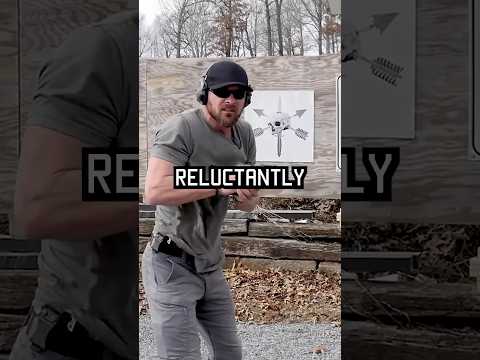
Off Duty Officer Loses His Life Trying To Stop Armed Robbery

Published on August 10, 2016
Duration: 2:57

This analysis, presented by John Correia of Active Self Protection, breaks down a tragic incident where an off-duty officer lost his life during an armed robbery. The video emphasizes critical lessons learned from the officer's tactical errors, particularly concerning firearm accessibility and the dangers of off-body carry. It highlights the importance of rapid draw techniques, the necessity of hand-to-hand combat skills for close-quarters defense, and the paramount need for constant situational awareness to prevent surprise attacks.

Quick Summary

Active Self Protection analyzes a tragic incident where an off-duty officer lost his life during an armed robbery. Key lessons emphasize avoiding off-body carry, prioritizing on-body firearm access, developing rapid draw techniques, and mastering hand-to-hand combat skills to 'earn your draw' when attackers close distance.

Chapters

  1. 00:00Introduction and Context
  2. 00:28Analysis of the Robbery
  3. 00:57Tactical Failures and Lessons
  4. 01:26Multiple Attackers and Fatal Outcome
  5. 02:11Final Takeaways

Frequently Asked Questions

What are the key takeaways from the off-duty officer incident analyzed by Active Self Protection?

Key lessons include avoiding off-body firearm carry, maintaining high draw speed proficiency, developing hand-to-hand combat skills for close encounters, and being mentally prepared for worst-case scenarios. The analysis stresses that off-body carry delays access and increases vulnerability.

Why is on-body firearm carry emphasized over off-body carry in self-defense?

On-body carry ensures immediate access to your firearm during a sudden confrontation. Off-body carry, such as in a purse or bag, significantly delays deployment, allowing attackers to close distance and potentially disarm you before you can effectively draw.

What does 'earn your draw' mean in the context of self-defense?

'Earn your draw' means you must be prepared to engage in empty-handed combat to create space and opportunity to draw your firearm. This is crucial when an attacker is already very close, as a simple draw may not be feasible without initial physical engagement.

What tactical errors did the off-duty officer make in the analyzed incident?

The officer's tactical errors included attempting to draw from off-body or deep concealment when an attacker was close, leading to a struggle. This highlights the vulnerability of such carry methods and the need for faster, more accessible firearm deployment.

Related News

All News →

More Tactical & Gear Videos You Might Like

More from Active Self Protection

View all →