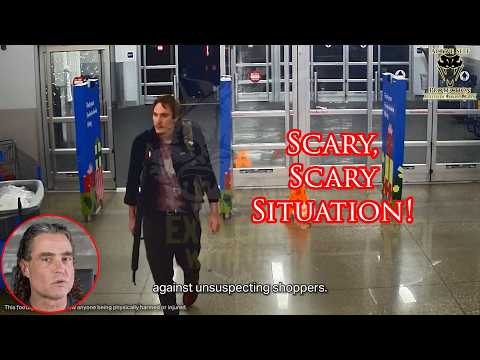
Officer Sweeps Perp's Leg To Take Him Down

Published on April 28, 2023
Duration: 7:50

This video analyzes a law enforcement takedown technique involving a leg sweep, as presented by Active Self Protection. It highlights the effectiveness of the sweep but strongly warns against the high risk of Traumatic Brain Injury (TBI) due to the suspect's head impacting the ground. The analysis also critiques post-takedown control, emphasizing the danger of neck pressure during handcuffing and recommending safer alternatives.

Quick Summary

Expert analysis of a law enforcement leg sweep takedown highlights the significant risk of Traumatic Brain Injury (TBI) if the suspect's head impacts the ground. Safer alternatives like controlled assists and proper handcuffing techniques, avoiding neck pressure, are emphasized for officer and suspect safety.

Chapters

  1. 00:00Introduction and Sponsorship
  2. 00:40Incident Overview: Brazil Street Confrontation
  3. 01:46Analysis of Firearm Usage
  4. 03:51Takedown Technique Critique: Leg Sweep Risks
  5. 05:16Post-Takedown Control and Safety

Frequently Asked Questions

What are the risks associated with a leg sweep takedown?

A primary risk of a leg sweep takedown is the potential for the suspect to suffer a Traumatic Brain Injury (TBI) if their head strikes the ground forcefully. This technique requires careful execution to minimize such severe outcomes.

What is the PHLSTER Enigma and its purpose?

The PHLSTER Enigma is a holster chassis system designed for high concealment. It functions by divorcing the holster from the user's clothing, allowing for comfortable and discreet carry, particularly for AIWB (All Day, Inside Waistband) holsters.

What is a safer alternative to applying pressure on a suspect's neck during handcuffing?

Instead of neck pressure, officers are advised to use a 'shin pin' on the suspect's shoulder blade area. This technique maintains control while significantly reducing the lethal risks associated with neck compression.

When is it appropriate for an officer to draw their firearm?

Officers may draw their firearm for detention purposes, but the analysis suggests that if a suspect is clearly unarmed and not an immediate lethal threat, transitioning to less-lethal tools like pepper spray or a Taser is preferable.

Related News

All News →

More Tactical & Gear Videos You Might Like

More from Active Self Protection

View all →