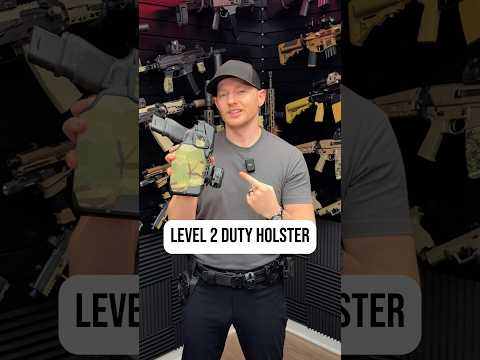
Open Carry/Retention Holster RANT!

Published on March 16, 2015
Duration: 6:50

This video challenges the common assumption that open carry necessitates a retention holster, arguing it's largely a myth for civilians. The speaker differentiates passive retention (like Kydex) from active retention (trigger guard locks, thumb releases) and demonstrates examples from Redstone Concealment, Bianchi, and Hogue. He posits that the risk of mechanical failure or user error with active retention under stress outweighs the statistically rare threat of a gun grab for non-confrontational civilians.

Quick Summary

The need for retention holsters in open carry is often a myth for civilians. Active retention holsters, while secure, carry risks of mechanical failure or user error under stress. Passive retention holsters offer a balance, and the statistical rarity of gun grabs for non-confrontational individuals makes this risk less significant than potential retention system failure.

Chapters

  1. 00:00Intro: Open Carry & Retention Holster Debate
  2. 00:53Defining Passive vs. Active Retention Holsters
  3. 01:31Examples: Bianchi & Hogue Active Retention Holsters
  4. 03:05The Myth of Retention Holster Necessity for Civilians
  5. 04:15Risks & Downsides of Active Retention Systems

Frequently Asked Questions

Do I need a retention holster for open carry?

For civilians, the necessity of a retention holster for open carry is often debated and largely considered a myth by some experts. While active retention offers security, it can introduce risks of failure under stress. Passive retention holsters may suffice depending on your environment and risk assessment.

What's the difference between passive and active retention holsters?

Passive retention holsters use friction and precise fit (like Kydex) to hold the firearm. Active retention holsters add mechanical devices like thumb breaks or trigger guard locks that require a deliberate user action to disengage before drawing the weapon.

What are the risks of using an active retention holster?

Active retention holsters can fail due to mechanical issues or user error under stress, potentially preventing a timely draw. The risk of someone grabbing your firearm is statistically low for non-confrontational civilians, making the potential failure of an active retention system a greater concern for some.

Which holsters were shown as examples of active retention?

The video demonstrated a Bianchi leather holster with a trigger guard lock mechanism, suitable for a Colt Officers Model, and a Hogue paddle holster featuring a thumb-activated release, shown with a Glock pistol.

Related News

All News →

More Tactical & Gear Videos You Might Like

More from TheYankeeMarshal

View all →