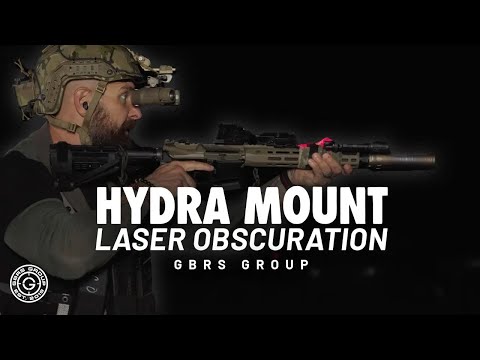
PATREON SHORTS | HYDRA Mount Passive Shooting

Published on March 22, 2025
Duration: 3:35

This video demonstrates the benefits of the Hydra Mount for passive night vision shooting, emphasizing the need for a high optic riser to maintain a natural head position. It highlights how this setup allows for repeatable aiming across various lighting conditions, from pitch black to full daylight. The discussion also touches on the importance of proper gear management, particularly concerning suppressors and waterproof bags during waterborne operations.

Quick Summary

For repeatable passive night vision shooting, the optic or laser mount needs to be significantly elevated off the rail system. This allows for a natural head position, preventing the need to drop night vision tubes too low and ensuring consistent aiming across all lighting conditions, from pitch black to full daylight.

Chapters

  1. 00:09Introduction to KTC 2403 Night Vision Shooting
  2. 00:15Passive Aiming with the Hydra Mount
  3. 00:32Importance of Optic Height for Passive NVG Shooting
  4. 00:58Universal Aiming Standard Across Lighting Conditions
  5. 01:38Gear Management During Waterborne Operations
  6. 01:46Waterproof Bag Functionality and Limitations
  7. 02:19Suppressor Heat and Water Submersion
  8. 02:52Suppressor Detachment Incident
  9. 03:30Conclusion on Gear Management

Frequently Asked Questions

Why is a high optic mount like the Hydra Mount important for passive night vision shooting?

A high optic mount is crucial for passive night vision shooting because it allows the shooter to maintain a natural head position. This prevents the need to drop the night vision tubes too low, ensuring a repeatable aiming solution across various lighting conditions and improving overall usability.

What are the key benefits of using the Hydra Mount for night vision operations?

The Hydra Mount's primary benefit is its ability to elevate optics significantly, which is essential for users of quad-tube night vision devices. This elevation facilitates passive aiming by accommodating the natural head position, making aiming more consistent and repeatable, even in challenging low-light environments.

What tactical considerations are important for gear during waterborne operations?

During waterborne operations, waterproof bags can serve as flotation devices due to trapped air. However, it's vital to test their reliability and consider potential issues like hot suppressors damaging the bags. Proper gear management is key to mission success and survival.

What risks are associated with hot suppressors during tactical operations?

Hot suppressors pose a significant risk, especially when transitioning between environments or submerging them in water. They can cause damage to waterproof bags and potentially detach if not properly secured, leading to loss of critical equipment and compromising the mission.

More Tactical & Gear Videos You Might Like

More from GBRS Group

View all →