This discussion highlights the impracticality of civilian belt-fed AR-15 conversions with FRTs due to reliability and barrel change limitations, emphasizing the need for a team and proper support. It contrasts this with the effectiveness of shorter, reliable firearms like 11.5-inch SBRs with pistol braces for civilian use. The conversation also delves into optic choices, advocating for red dots or LPVOs based on user needs and training, while stressing the importance of mastering fundamental skills and understanding tactical standards.
This video details the experience of using a thermal scope, specifically the AGM Rattler 640, in the Moons Out 2026 night rifle match. The presenter, Ian McCollum, highlights the effectiveness of thermal in challenging low-light and adverse weather conditions but points out significant limitations for competition, primarily due to high minimum magnification and poor NVG integration. He suggests future thermal scopes for tactical applications should offer 1x magnification and a dimmable display.
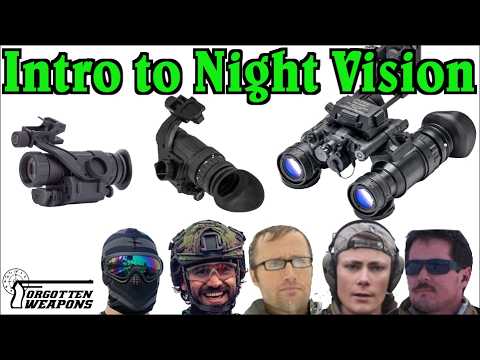
This Q&A session with night vision experts provides guidance for beginners looking to enter the world of night vision. Key recommendations include prioritizing analog PVS14 units for their value and performance, avoiding digital night vision for serious use, and understanding the importance of good glass quality over high FOM. The discussion also covers entry-level budget options, DIY setups, and practical considerations for shooting and gear integration.
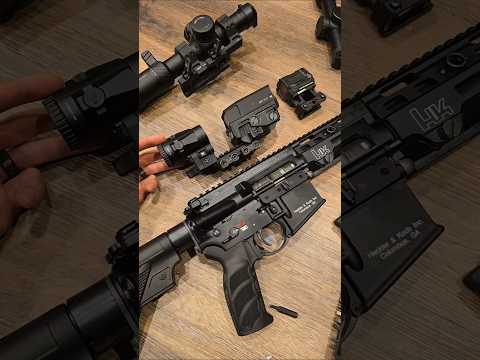
This guide, from an expert tactical gear reviewer, details the advantages of integrated optic and magnifier riser bases for maintaining consistent height-over-bore, especially crucial for night vision use. It compares these systems with individual mounts like Unity Tactical's FAST series and discusses how higher optical centerlines benefit passive aiming. The information is derived from a demonstration featuring various high-end optics and mounting solutions.
This guide covers the installation and basic use of the DOT EHS-1 holographic sight, as demonstrated by Shortshot Tony. It highlights the sight's features, including its 1 MOA dot/65 MOA ring reticle, night vision compatibility, and ergonomic height-over-bore design which facilitates fast target acquisition and a natural shooting posture. The guide also touches upon its suitability for Pistol Caliber Carbines (PCCs) and potential use with a magnifier.
This guide details how to set up a rifle for low-light and night operations using a Primary Arms MicroPrism 3x, a thermal clip-on, and night vision. It emphasizes the importance of NVG-compatible reticles for passive aiming and highlights common issues like reticle bloom with non-IR red dots. The setup is presented as a practical solution for enhanced target acquisition in challenging visibility conditions.
This guide details the technique for passive aiming using an Eotech HWS paired with night vision goggles (NVGs), as demonstrated by FalconClaw. The Eotech's large window and light transmission are highlighted as key advantages for this advanced tactical application. Proper mounting, zeroing, and weapon safety are emphasized for effective use in low-light or night environments.
This guide details a tactical technique for engaging targets in low-light or no-light conditions using an Aimpoint T2 red dot sight in conjunction with night vision goggles (NVGs) and a thermal clip-on optic. The presenter, identified as an expert by FalconClaw, demonstrates how to achieve passive aiming by looking through the NVGs and the red dot sight, allowing for target acquisition via thermal imaging without revealing your position.
This video showcases a tactical training drill focused on night vision operations. It highlights the importance of proper training, aggressive movement, and effective use of night vision devices and optics for engaging targets in low-light conditions. The drill emphasizes weapon manipulation, target transitions, and passive aiming techniques, demonstrating advanced tactical proficiency.
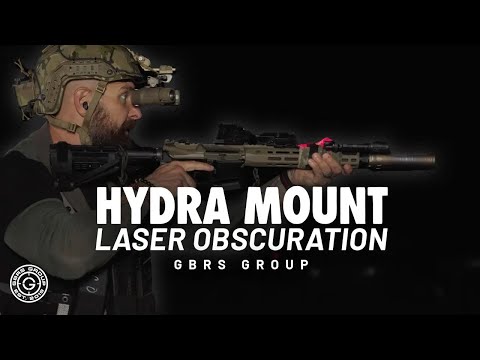
This video explains the critical issue of laser obscuration caused by improper pressure pad placement on tactical rifles, particularly when using night vision. The presenters demonstrate how a pressure pad positioned in front of a laser can block the beam, hindering target identification and engagement. They advocate for optimized mounting solutions, like the GBRS Group Hydra Mount, to ensure full functionality of aiming devices across various conditions and gear.
This video discusses the advantages of passive aiming with night vision devices, particularly when using a riser mount for firearms. It highlights how proper NVG brightness adjustment and natural eye-to-target acquisition allow for quick and effective shot placement without active aiming. The technique is also applied to pistol presentations for rapid engagement.
This video provides a foundational overview of different night vision device (NVD) types, including monocular PVS-14s, dual-tube systems (like RNVGs), and quad-tube systems. It highlights key differences in field of view, weight, power requirements, and cost, emphasizing that the best choice depends on individual needs and budget. The discussion also touches on active vs. passive aiming and the importance of IR lasers for target acquisition in low-light conditions.
Gun Laws by State
Read firearms regulations for all 50 states + D.C.
Find Gun Dealers
Search licensed FFL dealers near you.