Print Shoot Repeat Melted My Orca

Published on May 6, 2023
Duration: 11:39

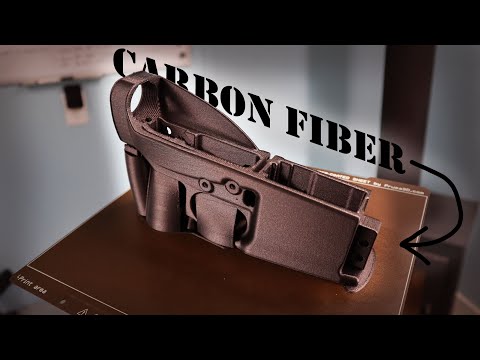
This video details observations from a 600-round test of two 'Orca' 3D-printed firearms, one in PLA Plus and one in Carbon Fiber Nylon. Key takeaways include the failure susceptibility of polycarbonate clips, the thermal limitations of PLA Plus leading to malfunctions, and interesting insights into brass ejection dynamics.


Quick Summary

The Orca 3D-printed firearm exhibits two main failure modes: polycarbonate clips cracking under stress and PLA Plus material softening due to heat, leading to malfunctions. Replacing polycarbonate with nylon clips is recommended, and PLA Plus has thermal limitations that can cause the firearm to fail to go into battery.

Chapters

  1. 00:00Introduction and Guest
  2. 01:01Polycarbonate Clip Failures
  3. 02:56PLA Plus Orca Overheating Malfunction
  4. 05:15300 Yard Shooting Performance
  5. 05:54Overall Reliability and Ammo Issues
  6. 06:22Brass Deflector and Ejection Dynamics
  7. 07:39Ejection Inconsistencies Explained
  8. 10:53Conclusion and Final Thoughts

Frequently Asked Questions

What are the main failure points observed in the Orca 3D-printed firearm?

The primary failure points observed were the polycarbonate clips, which are prone to cracking and loosening components like the handguard and stock. Additionally, the PLA Plus material exhibited thermal limitations, softening under sustained fire and causing malfunctions by preventing the firearm from going into battery.

How does the Orca's brass deflector design differ from traditional aluminum receivers?

The Orca's brass deflector is designed to cause brass to bounce perpendicularly off it, rather than sliding. This modification was implemented because plastic materials tend to bounce more than slide, and it helps prevent ejected brass from re-entering the ejection port and causing jams.

What were the observed thermal limitations of the PLA Plus Orca?

The PLA Plus Orca softened around the barrel extension and hose clamp area after sustained firing, causing the barrel and handguard to shift forward. This deformation prevented the firearm from achieving full battery, leading to frequent failures to fire.

What is the effective range and accuracy demonstrated by the Orca firearm?

During testing at 300 yards, the Orca firearm demonstrated effective engagement with reactive targets on steel silhouettes. The estimated accuracy was around 6 MOA, allowing for consistent hits on targets approximately 6 inches in diameter.

Related News

All News →

More Tactical & Gear Videos You Might Like

More from Hoffman Tactical

View all →