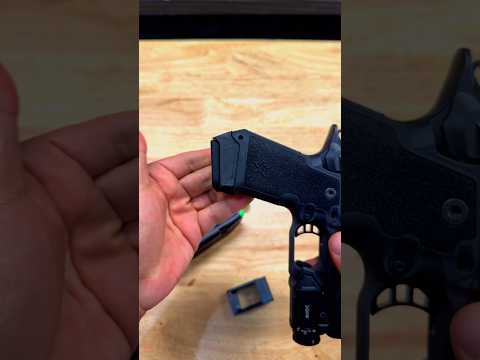
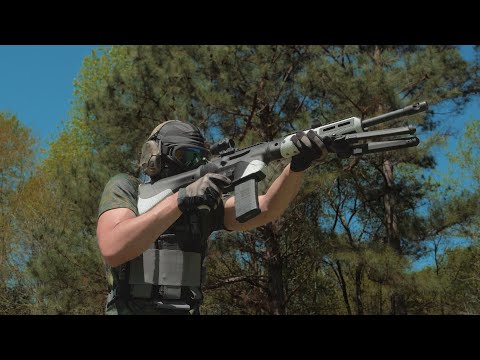
This video showcases a 3D-printed prototype magazine sleeve designed by QVO Tactical for the Staccato HD C pistol. The sleeve is intended to extend the grip of the 17-round Mec-Gar magazines, providing a longer grip profile for users who prefer it, while also creating a flush aesthetic with the firearm. The creator plans to have these manufactured using MJF printing with a target price point under $10.
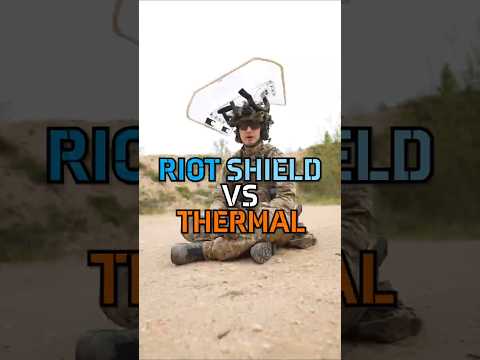
This video from FalconClaw reviews the Riot Shield, focusing on its effectiveness in masking heat signatures from thermal imaging, particularly against drones. While demonstrating its capability as a thermal barrier, the review highlights potential limitations in mobility for tactical operations, suggesting it might be more suited for stationary scenarios.
This guide details the testing of a prototype Brazilian Police Pistol Shield, focusing on its construction, mounting, and ballistic performance against various handgun calibers. The shield, made of 1.25-inch thick Lexan/polycarbonate, mounts to railed handguns and allows slide operation. While effective against common handgun rounds, it structurally fails against larger calibers like .44 Magnum, though it still contains projectiles. The testing highlights potential recoil reduction benefits.
This video features a comprehensive test of homemade bulletproof glass created by 3r Ballistics. The host, from 1ShotTV, evaluates three different panels, starting with pistol calibers like 9mm and .44 Magnum, progressing to rifle rounds such as 5.56mm and 7.62x39mm, and culminating with a .50 BMG test. The results demonstrate the varying effectiveness of each homemade panel against different threats, highlighting the material compositions and their impact resistance.
This video details a stress test on a 3D printed firearm, the Orca, using a push-up method to simulate extreme forces. The test reveals the material limitations and structural weak points of the printed components, particularly highlighting the difference in performance between polycarbonate and carbon fiber nylon clips. The instructor demonstrates how to apply stress and analyzes the failure points, offering insights into the durability of 3D printed firearm designs.
This video details observations from a 600-round test of two 'Orca' 3D-printed firearms, one in PLA Plus and one in Carbon Fiber Nylon. Key takeaways include the failure susceptibility of polycarbonate clips, the thermal limitations of PLA Plus leading to malfunctions, and interesting insights into brass ejection dynamics.
This guide details the construction of the Orca, a 3D-printed AR-15 variant, as presented by Hoffman Tactical. It emphasizes using specific filaments like Polymaker PLA Pro for general parts and Polycarbonate or Carbon Fiber Nylon for critical components requiring heat resistance and strength. Key design features include an angled magazine feed for reliability and innovative heat management for the barrel mount. The project aims to maximize the use of 3D-printed parts on a standard printer, with version 5.3 now released and community feedback encouraged for ongoing improvements.
This video from Polenar Tactical demonstrates the effectiveness of a ballistic face shield sourced from AliExpress. Mounted on a tactical helmet and tested against live rounds on an indoor range, the shield showed significant resistance, with bullets embedding in the material without penetration. The test highlights the potential of such gear for personal protection in tactical scenarios.
This guide details the assembly and testing of a 3D printed AR-15 by Hoffman Tactical. It covers the use of specific polymers like PLA+ and carbon fiber nylon, design innovations such as integrated components and a clamshell barrel mount, and troubleshooting common issues like ejection failures and heat-induced accuracy degradation. The process highlights the experimental nature of 3D printed firearms and the importance of material selection for performance.
This YouTube video compares the tensile strength of four common 3D printing filaments: PLA, PETG, ABS, and a Polycarbonate blend. Using a new tensile tester, the video aims to definitively determine which material is the strongest. The description highlights that the results are 'interesting,' suggesting a potential surprise or deviation from common assumptions about these materials.
This video tests the ballistic resistance of UL 752 Level 1 rated bulletproof glass, specifically Lexan or polycarbonate, against various handgun calibers. The instructor demonstrates how different calibers (.22LR, .380 ACP, 9mm, .40 S&W, .45 ACP) interact with the material, noting penetration, deformation, and ricochet. The test highlights the material's effectiveness against common pistol rounds while also showing its limitations, particularly with larger calibers and angled impacts.
Nutnfancy expresses significant disappointment with a Shooters Ridge magazine, citing inferior materials and design. The reviewer specifically calls out the magazine for being American-made yet failing to meet quality expectations. The video also expresses a hope for Marlin to produce a higher quality factory magazine for their .22 rifles, specifying desirable features like stainless steel feed lips and durable, user-serviceable polycarbonate construction, contrasting it with the product under review. The music credit for Jason Shaw is also noted.
You've reached the end! 12 videos loaded.
Gun Laws by State
Read firearms regulations for all 50 states + D.C.
Find Gun Dealers
Search licensed FFL dealers near you.