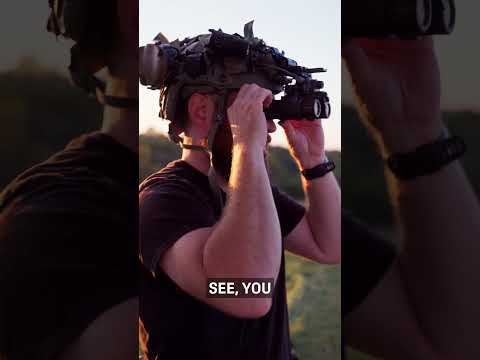
PVS-14: Top Shelf Night Vision!

Published on April 16, 2021
Duration: 48:26

This review of the PVS-14 night vision monocular highlights the importance of Gen 3 tubes for low-light performance and discusses the benefits of 'hand-select' and 'filmless' options. It details essential mounting systems like the Wilcox G24 and compatible helmets, along with aiming solutions such as IR lasers. The speaker criticizes industry marketing for its complexity and high prices, advocating for clearer consumer education.

Quick Summary

Gen 3 night vision is mandatory for near-total darkness to avoid excessive graininess. 'Hand-select' tubes offer higher resolution (64-82 lp/mm) and fewer artifacts, while filmless tubes provide a brighter image but at a higher cost. A full setup requires a mount like the Wilcox G24 and a helmet shroud.

Chapters

  1. 00:00Intro & Warning: PVS-14 Cost & Addiction
  2. 03:40Night Vision Industry Marketing Rant
  3. 05:30Gen 2 vs Gen 3 Tubes & Filmless Tech
  4. 08:45Field Testing: Trybe Optics PVS-14 Performance
  5. 15:30Mounting Systems: J-Arms, Shrouds & Helmets
  6. 21:00Aiming Solutions: IR Lasers & Zeroing

Frequently Asked Questions

What is the difference between Gen 2 and Gen 3 night vision?

Gen 3 night vision is mandatory for near-total darkness to avoid excessive graininess. While Gen 2 can function, Gen 3 provides a significantly clearer and brighter image, especially in extremely low light conditions, making it the preferred choice for demanding applications.

What components are needed for a PVS-14 helmet setup?

A complete PVS-14 helmet setup requires the monocular itself, a J-arm to connect it to the mount, a helmet shroud (like those on Team Wendy helmets), and a compatible night vision mount, such as the popular Wilcox G24.

Are filmless night vision tubes worth the extra cost?

Filmless tubes offer a brighter image compared to traditional ones. However, the significant price increase may not be justified for most users. The benefit needs to be weighed against the cost for your specific needs and budget.

How do you aim with night vision?

Aiming with night vision typically involves using an Infrared (IR) laser module mounted on your firearm. For consistency, it's recommended to mount the laser as close to the bore as possible and ensure it can be properly zeroed.

More Tactical & Gear Videos You Might Like

More from nutnfancy

View all →