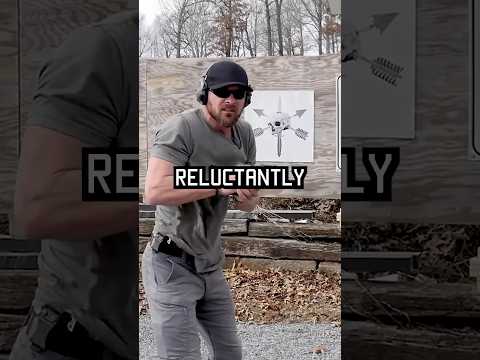
Realistic Force on Force Training Scenarios: Road Rage

Published on July 2, 2022
Duration: 3:06

This video simulates a road rage scenario to analyze self-defense tactics. It emphasizes the importance of de-escalation, threat assessment, and the decision-making process when drawing a firearm. The discussion highlights the critical moments of engagement and disengagement in a high-stress confrontation.

Quick Summary

In a road rage scenario, drawing a firearm is typically justified when an aggressor makes physical contact, attempts to breach your vehicle, or demonstrates an imminent threat of serious harm. The presence of children adds complexity, requiring careful consideration of all parties' safety while addressing the immediate danger.

Chapters

  1. 00:14Initial Confrontation
  2. 00:26Drawing the Weapon
  3. 00:34Aggressor's Actions
  4. 00:48Justifiable Force
  5. 00:56Children in Vehicle
  6. 01:05Situation Development
  7. 01:17Erratic Behavior
  8. 01:30Prepared to Engage
  9. 01:46Exiting the Vehicle
  10. 02:09Retreat to Car
  11. 02:20Scenario Outcome
  12. 02:32Legal Ramifications

Frequently Asked Questions

When is it appropriate to draw a firearm in a road rage incident?

Drawing a firearm in a road rage incident is generally considered appropriate when the aggressor makes physical contact, attempts to breach your vehicle, or exhibits behavior that clearly indicates an imminent threat of serious bodily harm or death, especially after de-escalation attempts have failed.

What are key considerations for self-defense when children are present in the car?

When children are present, the decision-making process for self-defense becomes more complex. Prioritizing their safety is paramount, which may influence whether to engage, retreat, or seek cover, while still addressing the immediate threat to yourself and your passengers.

How should one react if an aggressor retreats to their vehicle during a confrontation?

If an aggressor retreats to their vehicle, it's crucial to maintain situational awareness. Assess if they are leaving the area or potentially retrieving a weapon. Be prepared to react defensively if they re-engage with a threat, but avoid escalating if they are disengaging.

What is the role of de-escalation in road rage scenarios?

De-escalation is a primary strategy in road rage. Attempting to calm the situation through verbal commands or avoiding engagement can prevent a minor incident from escalating into a dangerous confrontation, potentially avoiding the need for defensive force.

Related News

All News →

More Tactical & Gear Videos You Might Like

More from Tactical Hyve

View all →