Reproduction HEL-E4A Vietnam M16 Silencer by International Milspec Co

Published on August 1, 2025
Duration: 13:14

This entry details the reproduction HEL-E4A suppressor for the M16 rifle, manufactured by International Milspec Co. It covers the historical context of its development by the Human Engineering Laboratory (HEL) at Aberdeen Proving Ground, its tactical purpose in masking the supersonic crack of 5.56mm rounds, and its attachment mechanism. The guide provides installation steps, and the knowledge section includes technical specifications, historical insights, and performance observations from live-fire demonstrations.
Quick Summary

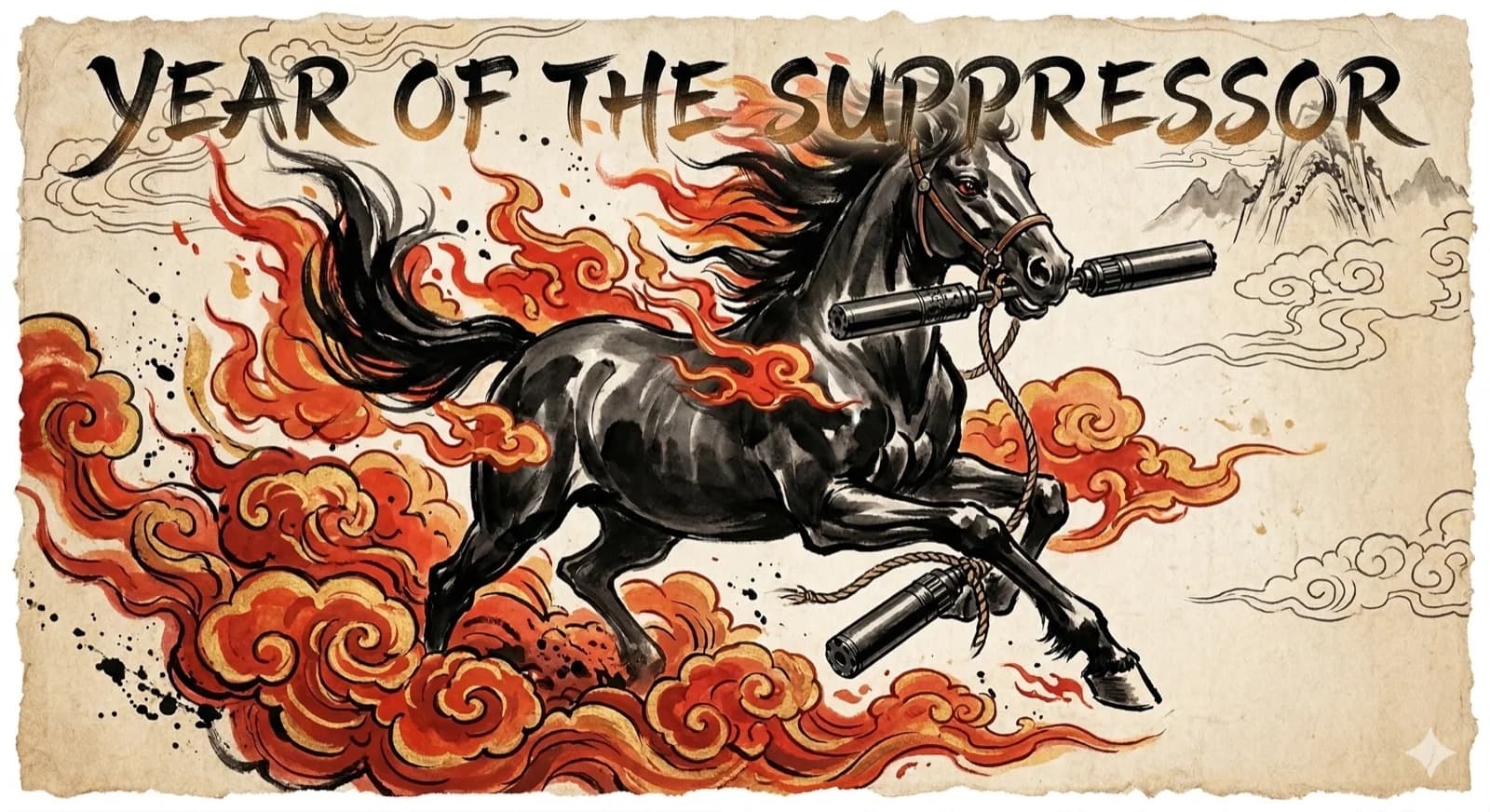
The HEL-E4A suppressor reproduction by International Milspec Co. is a 9-inch device for the M16 rifle. Its tactical purpose is to mask the muzzle report, leaving the supersonic crack to misdirect enemy fire. It attaches via muzzle threads and indexes to the bayonet lug.

Chapters

  1. 00:00Introduction: HEL-E4A Suppressor Reproduction
  2. 01:07History of the Human Engineering Laboratory (HEL)
  3. 02:51Technical Issues and Modifications with Early Suppressors
  4. 04:51The E4A Model and Vietnam Trials
  5. 06:37Tactical Purpose of the Suppressor
  6. 07:48Attachment Mechanism Explained
  7. 09:50Range Testing and Performance Observations

Frequently Asked Questions

What is the HEL-E4A suppressor and who makes the reproduction?

The HEL-E4A is a reproduction of a Vietnam-era M16 rifle suppressor developed by the Human Engineering Laboratory. The reproduction is manufactured by International Milspec Co. and featured on Forgotten Weapons.

What was the tactical purpose of the HEL-E4A suppressor?

The HEL-E4A suppressor's main goal wasn't total silence, as the 5.56mm round remains supersonic. It aimed to mask the muzzle report, leaving only the supersonic crack to misdirect enemy fire.

How is the HEL-E4A suppressor attached to an M16 rifle?

The suppressor threads onto the M16 barrel's muzzle. A rotating bracket at the rear indexes onto the rifle's bayonet lug to securely lock the suppressor in place.

What technical challenges did early M16 suppressors face?

Early suppressors like the HEL M2 and M4 caused excessive back pressure, leading to high bolt velocity, gas blowback, and mechanical failures such as sheared gas keys on M16A1 rifles.

Related News

All News →

More Tactical & Gear Videos You Might Like

More from Forgotten Weapons

View all →