SCENARIO DICTATES -

Published on February 2, 2026
Duration: 0:56

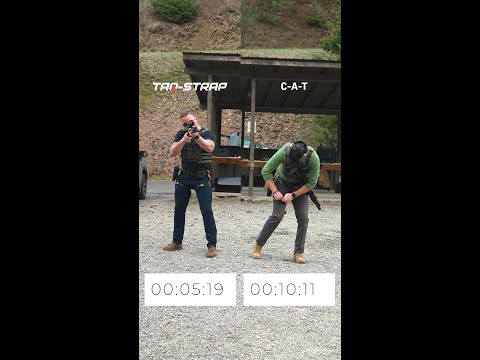
This expert-level guide from GBRS Group demonstrates the critical technique for applying a Combat Application Tourniquet (CAT). It emphasizes overriding the casualty's discomfort to achieve total blood flow cessation by tightening the windlass until extremely uncomfortable, then adding one full rotation before latching. The guide also stresses the importance of leaving the tourniquet in place after application, as only medical professionals should remove or adjust it to prevent further complications.

Quick Summary

When applying a tourniquet, tighten it until it is extremely uncomfortable to ensure total blood flow cessation. After achieving maximum tightness, add one more full rotation of the windlass before latching. Do not remove or adjust the tourniquet once applied; this should only be done by medical professionals.

Chapters

  1. 00:00Tourniquet Application on Others
  2. 00:13Achieving Occlusion with Windlass
  3. 00:32Post-Application Protocol

Frequently Asked Questions

How tight should a tourniquet be applied?

A tourniquet should be tightened until it is extremely uncomfortable for the injured person. The priority is total blood flow cessation, so continue twisting the windlass one additional full rotation after maximum resistance before latching it.

When should a tourniquet be removed or adjusted?

Once a tourniquet is applied and bleeding has stopped, it should be left alone. Only medical professionals or surgeons should remove or adjust it, as readjusting can cause rapid hemorrhaging or release toxins into the bloodstream.

What is the primary goal when applying a tourniquet?

The primary goal when applying a tourniquet is to achieve total blood flow cessation to the injured limb. This is critical for controlling life-threatening arterial bleeding and preventing further blood loss.

More Tactical & Gear Videos You Might Like

More from GBRS Group

View all →