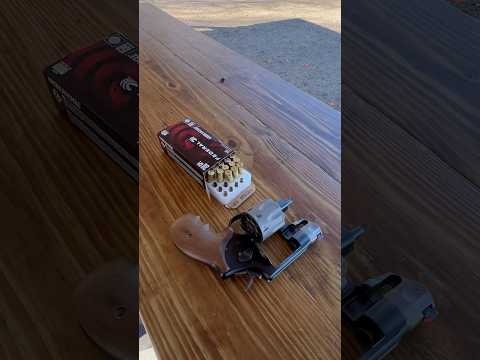
Smith & Wesson M&P 22LR Suppressed - Subsonic!!

Published on August 15, 2024
Duration: 0:58

This video demonstrates the suppressed Smith & Wesson M&P 22 Compact using both subsonic and standard velocity .22LR ammunition. Mr. Madness, an experienced presenter, highlights the significant sound reduction achieved with a Ruger SR22 suppressor, particularly when using subsonic rounds. The comparison between subsonic and standard velocity ammunition clearly illustrates the effectiveness of subsonic loads for quieter shooting.


Quick Summary

The Smith & Wesson M&P 22 Compact, when suppressed with a Ruger SR22, demonstrates a significant sound reduction, especially when using subsonic .22LR ammunition. Standard velocity rounds, while quieter than unsuppressed, are still audibly louder than subsonic loads.

Chapters

  1. 00:00Introduction and Gear Setup
  2. 00:11Subsonic Ammunition Firing
  3. 00:23Standard Ammunition Introduction
  4. 00:36Standard Ammunition Firing and Comparison

Frequently Asked Questions

What is the primary benefit of using subsonic .22LR ammunition with a suppressor?

The primary benefit is a significant reduction in noise. Subsonic ammunition travels slower than the speed of sound, meaning it doesn't create a sonic crack, which, when combined with a suppressor, results in a much quieter shooting experience.

Which firearms are featured in the video comparing suppressed .22LR ammunition?

The video features a Smith & Wesson M&P 22 Compact pistol. A Ruger SR22 suppressor is attached to the firearm for the sound comparison tests.

How does standard velocity .22LR ammunition sound when suppressed compared to subsonic?

When suppressed, standard velocity .22LR ammunition (like the Federal 1200 fps rounds shown) is noticeably louder than subsonic .22LR ammunition. While the suppressor reduces the overall sound, the sonic crack from standard velocity rounds is still present.

More Tactical & Gear Videos You Might Like

More from Mr. Madness

View all →