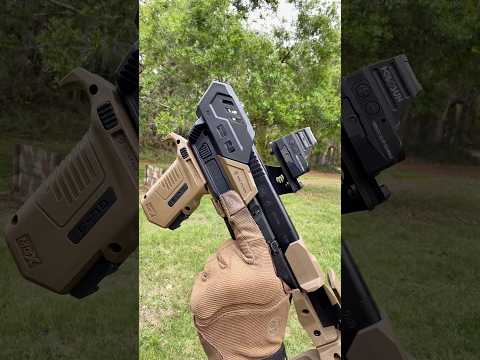
Solving Restless Rifle Syndrome

Published on January 3, 2025
Duration: 13:42

This video from Brass Facts humorously defines and deconstructs 'Restless Rifle Syndrome' (RRS), the common tendency to endlessly swap firearm parts and optics. The expert instructor highlights that RRS stems from chasing trends, compensating for skill gaps, and seeking an impossible 'perfect' setup. The guide emphasizes building confidence through practice and accepting gear compromises over chasing unattainable perfection, advocating for long-term consistency with a chosen setup.

Quick Summary

Restless Rifle Syndrome (RRS) describes the tendency to endlessly swap firearm parts and optics. Expert advice suggests overcoming RRS by focusing on skill development, accepting gear compromises, and valuing long-term consistency over chasing trends or an unattainable 'perfect' setup.

Chapters

  1. 00:00Introduction to Restless Rifle Syndrome (RRS)
  2. 01:57The Three Pillars of RRS: Trends, Skill, Perfection
  3. 03:15Consumerism and 'Side-Upgrades'
  4. 05:34Confidence and Skill vs. Gear
  5. 07:42The Myth of the Perfect Setup
  6. 11:02The Power of Consistency and Familiarity

Frequently Asked Questions

What is Restless Rifle Syndrome (RRS)?

Restless Rifle Syndrome (RRS) is a humorous term for the compulsive habit of constantly changing firearm components and optics without ever reaching a point of satisfaction or perceived completion with the setup.

What are the main causes of Restless Rifle Syndrome?

The primary drivers of RRS are chasing fleeting trends and consumerism, using gear upgrades to mask a lack of confidence or shooting skill, and the futile search for a single, perfect 'do-it-all' firearm configuration.

How can I overcome the urge to constantly upgrade my firearm?

Overcoming RRS involves focusing on developing your shooting skills and confidence, understanding that gear choices are compromises, and prioritizing long-term consistency with a familiar setup over chasing marginal improvements.

Is it better to have many different firearm setups or stick with one?

For most shooters, sticking with one well-understood and practiced firearm setup is more beneficial. Familiarity with its quirks and 'dope' provides greater value than the small performance gains from frequently changing components.

More Tactical & Gear Videos You Might Like

More from Brass Facts

View all →