Soviet EFA-2k Spetsnaz Holster

Published on April 27, 2020
Duration: 6:37

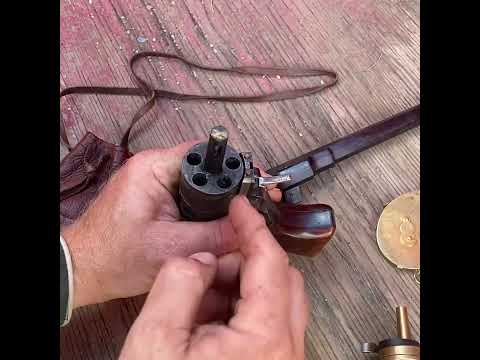
This guide details the draw technique for the Soviet EFA-2k Spetsnaz holster, designed for Condition 3 carry. The holster's unique mechanism racks the slide and cocks the hammer during the draw. While tested on a Makarov PM, the instructor, Karl Kasarda, found no significant speed advantage over traditional methods and raised serious safety concerns regarding its push-through design, comparing it to criticisms of the Serpa holster.

Quick Summary

The Soviet EFA-2k Spetsnaz holster utilizes a push-through draw mechanism for Condition 3 carry, automatically racking the slide and cocking the hammer. However, InRangeTV's Karl Kasarda found no speed advantage over traditional methods and raised significant safety concerns due to the inherent risks of the draw motion.

Chapters

  1. 00:00Introduction: EFA-2k Holster & Condition 3
  2. 00:35Holster Mechanism Demonstration
  3. 01:21Range Testing & Speed Comparison
  4. 04:53Safety & Utility Assessment

Frequently Asked Questions

How does the EFA-2k Spetsnaz holster work?

The EFA-2k Spetsnaz holster is designed for Condition 3 carry. It features a unique push-through draw mechanism where downward pressure on the pistol racks the slide, chambers a round, and cocks the hammer, preparing the firearm for a single-action shot in one motion.

Is the EFA-2k Spetsnaz holster faster than traditional methods?

According to InRangeTV's testing with a shot timer, the EFA-2k holster did not provide a significant speed advantage over standard double-action draws from Condition 2. Draw-to-first-shot times were found to be very similar, around 1.1 to 1.3 seconds.

What are the safety concerns with the EFA-2k Spetsnaz holster?

The primary safety concern is the push-through draw motion, which is considered inherently risky and could potentially lead to a negligent discharge. This design has drawn comparisons to safety criticisms leveled against the Serpa holster.

What is Condition 3 carry?

Condition 3 carry means the firearm has a loaded magazine inserted, an empty chamber, and the manual safety engaged. This is a common method for carrying a pistol in a way that prioritizes safety while allowing for a rapid transition to a ready-to-fire state.

More Tactical & Gear Videos You Might Like

More from InRangeTV

View all →