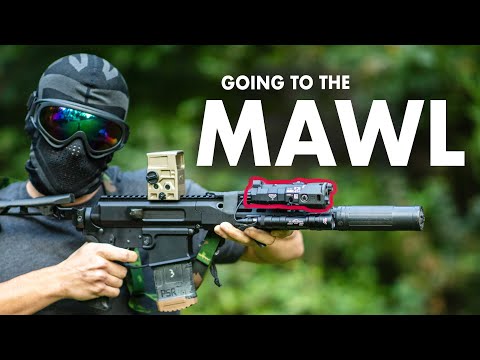
Steiner DBAL-I2 Laser

Published on April 2, 2021
Duration: 12:24

This review of the Steiner DBAL-I2 laser unit covers its dual infrared and visible laser capabilities, detailing power outputs, laser classes, and battery specifications. The instructor highlights practical applications for night vision training, emphasizing switchology and the importance of consistent practice. Key features like windage/elevation adjustments and battery placement are discussed, along with potential drawbacks such as battery life for the green visible laser and button ergonomics.


Quick Summary

The Steiner DBAL-I2 Dual Beam Aiming Laser offers both a Class 1 infrared laser and a Class 3A visible green laser. While the IR laser is covert and safer, the visible green laser is power-hungry, draining batteries rapidly. Its front-mounted battery compartment can also be inconvenient for quick changes on a rifle.

Chapters

  1. 00:10Introduction to Steiner DBAL-I2
  2. 00:21DBAL Acronym and Laser Types
  3. 00:45Infrared vs. Visible Laser Specs
  4. 01:39Windage & Elevation Adjustments
  5. 01:56Pressure Pad and Switch Operation
  6. 02:14Physical Dimensions and Weight
  7. 02:24Construction Materials
  8. 02:32Battery Type and Placement
  9. 03:33Battery Burn Time Estimates
  10. 04:28Personal Experience & Training Course
  11. 06:32Training Takeaways & Battery Issues
  12. 06:51Switch Options & Ergonomics
  13. 07:41Button Ergonomics Critique
  14. 08:29Night Vision Accuracy Benefits
  15. 09:11Visible Laser Practical Uses
  16. 09:33Importance of Switchology Training
  17. 10:09Who is this Laser For?
  18. 10:30Price Range and Variants
  19. 11:10No Integrated Illuminator
  20. 11:36Combined Setup with Illuminator
  21. 11:40Call to Action & Support

Frequently Asked Questions

What are the key differences between the infrared and visible lasers on the Steiner DBAL-I2?

The Steiner DBAL-I2 features a Class 1 infrared laser (0.7mW) for covert aiming and a Class 3A visible green laser (4.4mW) for daytime or low-light use. The IR laser is invisible and safer for the eyes due to its low power, while the visible laser is brighter but has a higher risk of eye damage, though the blink reflex offers some protection.

How does the battery placement on the Steiner DBAL-I2 affect its usability?

The DBAL-I2 uses a single CR123 battery inserted from the front. This placement can be inconvenient, especially on rifles with short handguards or when using backup iron sights, as it might require removing the unit or front sight to change the battery.

What are the main advantages of using the Steiner DBAL-I2 for tactical training?

The DBAL-I2 allows for realistic training with both IR and visible lasers. Practicing switchology with the visible laser during the day builds muscle memory for night operations. The IR laser enables accurate shooting from unconventional positions under night vision, enhancing tactical proficiency.

What are the reported battery life issues with the Steiner DBAL-I2?

The visible green laser on the DBAL-I2 is known to consume batteries very quickly, often requiring frequent swaps during extended daytime use. While the IR laser has a longer burn time (around 5 hours continuous), the green visible laser is a significant battery drain.

More Tactical & Gear Videos You Might Like

More from Kit Badger

View all →