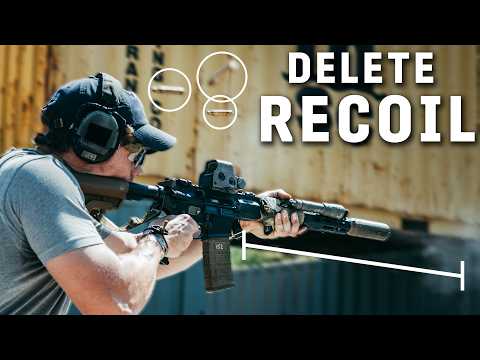
Suppressor VS Muzzle Device

Published on April 9, 2025
Duration: 2:15

This guide details how to select and implement muzzle devices, specifically suppressors and brakes, to enhance firearm performance. It emphasizes the importance of compatibility, potential gas system tuning, and the overall impact on recoil, flash, and the shooting experience. The speaker, identified as a 'can guy,' prefers suppressors for their comprehensive benefits.

Quick Summary

Suppressors significantly improve the shooting experience by reducing muzzle flash and recoil, aiding in quicker target reacquisition. They also lessen concussion for the shooter and bystanders. However, suppressors affect rifle harmonics and may require gas system tuning, especially on firearms without adjustable gas blocks.

Chapters

  1. 00:00Introduction to Recoil Management and Target Reacquisition
  2. 00:12Suppressor vs. Muzzle Brake Preference
  3. 00:28Benefits of a Good Suppressor
  4. 00:38Caution: Suppressors Affect Rifle Performance
  5. 00:55Addressing Rifle Harmonics and Gas Systems
  6. 01:16The Significant Improvement of a Working Suppressor
  7. 01:30Suppressors for First-Time Shooters
  8. 01:42Alternative: Muzzle Devices for Flash and Gas Dissipation
  9. 01:55The Brutality of Tank Brakes and Their Purpose
  10. 02:10Understanding Muzzle Brake Use Cases

Frequently Asked Questions

What are the main benefits of using a suppressor on a firearm?

A good suppressor significantly enhances the shooting experience by reducing muzzle flash and recoil. This leads to improved target reacquisition, a more comfortable shooting session, and less concussion for the shooter and those nearby.

How do suppressors affect a rifle's performance?

Suppressors can alter a rifle's harmonics and overall performance. It's crucial to ensure the suppressor positively impacts your firearm. If not, you may need to tune the gas system or adjust buffer weights, especially on rifles without adjustable gas blocks.

What are alternatives to suppressors for managing flash and recoil?

If a suppressor isn't feasible, muzzle devices like four-prong or three-prong designs can be effective. These devices help knock off flash and dissipate gas in a way that makes shooting more comfortable without excessive overpressure.

Why might a shooter prefer a suppressor over a muzzle brake?

While muzzle brakes excel at recoil reduction, they can be extremely loud and produce significant concussion for bystanders. Suppressors offer a more comprehensive solution by reducing both flash and recoil, leading to a generally more pleasant and less aggressive shooting experience.

Related News

All News →

More Tactical & Gear Videos You Might Like

More from Elliott Delp

View all →