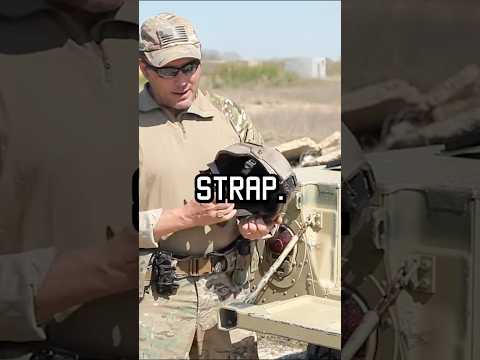
Tactical Helmets with Navy SEAL Mark "Coch" Cochiolo

Published on February 8, 2021
Duration: 10:27

This entry details the evolution of tactical helmets as presented by former Navy SEAL Mark 'Coch' Cochiolo. It covers historical models like the M1 Steel Pot and progresses through Kevlar and MICH helmets, highlighting key features and operational contexts from WWII to modern conflicts in Iraq and Afghanistan. The information emphasizes the shift from fragmentation protection to advanced ballistic capabilities and integrated tactical accessories.

Quick Summary

Former Navy SEAL Mark 'Coch' Cochiolo details the evolution of tactical helmets, from the WWII-era M1 Steel Pot offering fragmentation protection to modern MICH helmets used in Iraq and Afghanistan, highlighting advancements in ballistic protection, integrated communications, and accessory mounting systems.

Chapters

  1. 00:00Introduction by Coch
  2. 00:15BUD/S Helmet Liner Explained
  3. 01:06M1 Steel Pot Overview
  4. 02:22Early Ballistic Helmets
  5. 03:11Bosnia Kevlar Helmet Use
  6. 04:26Lightweight Ballistic Helmets for NODs
  7. 06:13MICH Helmet for Iraq/Afghanistan
  8. 08:44Modern Tactical Helmet Features

Frequently Asked Questions

What types of tactical helmets has Navy SEAL Mark 'Coch' Cochiolo used throughout his career?

Mark 'Coch' Cochiolo has used a range of helmets including the M1 Steel Pot, early ballistic helmets, first-generation Kevlar helmets, and the MICH (Modular Integrated Communications Helmet), showcasing a significant evolution in head protection technology.

How did tactical helmet technology evolve from WWII to modern conflicts?

Helmets evolved from the M1 Steel Pot's fragmentation protection to early ballistic helmets offering marginal 9mm protection. Later Kevlar and MICH helmets incorporated features like integrated comms and NOD mounts, culminating in modern customizable systems with rails and advanced suspension.

What was the primary purpose of early ballistic helmets introduced around 2001?

Around 2001, lighter ballistic helmets were primarily introduced as mounting platforms for essential tactical accessories such as Night Vision Devices (NODs) and strobe lights, enhancing operational capabilities in low-light conditions.

What are the key features of modern tactical helmets?

Modern tactical helmets are highly customizable, featuring integrated side rails for accessories, Velcro panels for patches and identification, and advanced ratchet suspension systems for a secure and comfortable fit during demanding operations.

More Tactical & Gear Videos You Might Like

More from Tactical Hyve

View all →