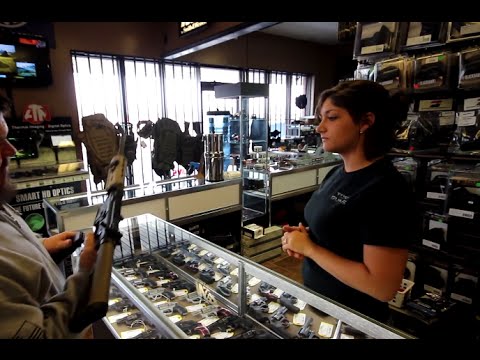
Thermal Scope Review

Published on February 8, 2016
Duration: 8:22

This review of the Pulsar Quantum HD 19a thermal imager by Top Guns (Jena and Steve) highlights its ability to detect heat signatures day or night without external illumination. They demonstrate its use for identifying liquid levels in containers, tracking animal footprints, assessing vehicle heat (brakes, defroster), and observing heat loss from buildings. The instructors acknowledge initial calibration issues due to user error but praise the device's compact size, performance, and value compared to older, more expensive units.

Quick Summary

The Pulsar Quantum HD 19a thermal imager detects heat signatures, enabling use day or night without external illumination. It can reveal liquid levels, animal footprints, vehicle heat, and building heat loss, offering a compact and valuable performance for its price.

Chapters

  1. 00:00Introduction to Thermal Vision
  2. 00:13Top Guns & Pulsar Quantum HD 19a Review
  3. 00:24Thermal vs. Night Vision Explained
  4. 01:15No Artificial Lighting Needed
  5. 02:44Testing Plans and Ideas
  6. 03:33Human Heat Signature Demo
  7. 04:03Liquid Level Detection (Coffee)
  8. 04:40Cold Liquid Detection (Mountain Dew)
  9. 05:02Animal Footprint Tracking
  10. 05:32Vehicle Heat Signature Analysis
  11. 05:47Building Heat Loss Observation
  12. 06:15Review Summary and Issues
  13. 06:50Performance and Value Assessment
  14. 07:24Viewer Applications and Call to Action
  15. 07:50Thanks to OpticsPlanet & Outro

Frequently Asked Questions

What is the main difference between thermal vision and night vision?

Thermal vision detects heat signatures emitted by objects, allowing you to see in complete darkness or through obscurants like smoke. Night vision, conversely, amplifies existing light or uses infrared illumination to make objects visible, requiring some ambient light or an IR source.

Can the Pulsar Quantum HD 19a be used during the day?

Yes, the Pulsar Quantum HD 19a thermal imager can be used day or night because it operates by detecting heat signatures, not by relying on ambient light conditions.

What are some practical uses for the Pulsar Quantum HD 19a demonstrated in the review?

The review demonstrated uses such as identifying liquid levels in containers, tracking residual heat from animal footprints on carpets, assessing vehicle heat signatures from brakes or defrosters, and observing heat loss from buildings.

What were the calibration issues mentioned in the review?

The instructors experienced some dark edges in certain clips due to initial calibration issues, which they attributed to user error and not fully understanding the device's mechanics at the time.

Related News

All News →

More Tactical & Gear Videos You Might Like

More from Top Guns

View all →