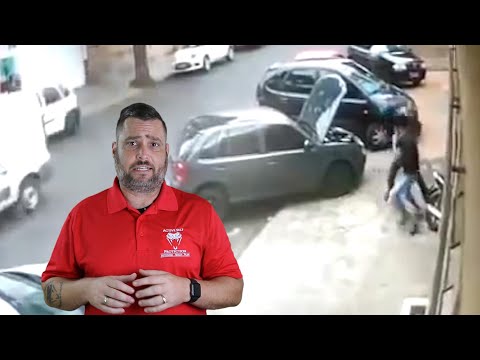
Three Videos Teach Us Three Lessons

Published on July 23, 2019
Duration: 8:47

This video from Active Self Protection, featuring John Correia, analyzes three defensive encounters, highlighting lessons on attitude, empty-handed skills, and overcoming the bystander effect. It showcases Newbold Targets' self-sealing polymer targets for safe training and discusses the '5Ds+1' tactical framework. The analysis emphasizes the importance of a proactive mindset and practical skills in self-defense scenarios.

Quick Summary

John Correia of Active Self Protection analyzes three defensive encounters, highlighting lessons on attitude, empty-handed skills, and overcoming the bystander effect. The video showcases Newbold Targets' safe training solutions and discusses the '5Ds+1' tactical framework for responding to threats.

Chapters

  1. 00:00Introduction and Sponsorship
  2. 00:41Houston Subway Robbery Analysis
  3. 01:30Drive-thru Gunpoint Encounter
  4. 01:52Peterborough Shoplifting Incident
  5. 02:49Core Lessons: Attitude and Skills
  6. 04:15Tactical Framework: 5Ds+1
  7. 07:11Breaking the Bystander Effect

Frequently Asked Questions

What are the three key lessons taught in the Active Self Protection video?

The video emphasizes three core lessons: cultivating the 'attitude of a self-defender,' developing essential empty-handed skills, particularly standing grappling, and understanding how to effectively overcome the bystander effect in critical situations.

How do Newbold Targets enhance firearm training safety?

Newbold Targets are made of self-sealing reactive polymer. They provide feedback similar to steel targets but eliminate the risks of ricochet and lead splatter, making them a safer option for training environments.

What is the '5Ds+1' framework discussed in the video?

The '5Ds+1' framework is a tactical model for self-defense that includes Deflect, Dominate, Distract, Disarm, Disable, and Distance. It helps individuals structure their response to threats, with a focus on controlling engagement range.

How can one effectively break the bystander effect?

To break the bystander effect, the video suggests asking for specific, low-risk help from individuals. This action lowers the perceived risk for others, encouraging collective assistance and creating a numerical advantage.

Related News

All News →

More Tactical & Gear Videos You Might Like

More from Active Self Protection

View all →