Trauma Kit Gear | ER Doc Expert IFAK Advice

Published on February 20, 2023
Duration: 9:45

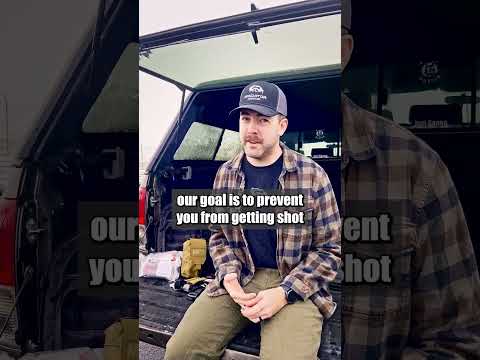
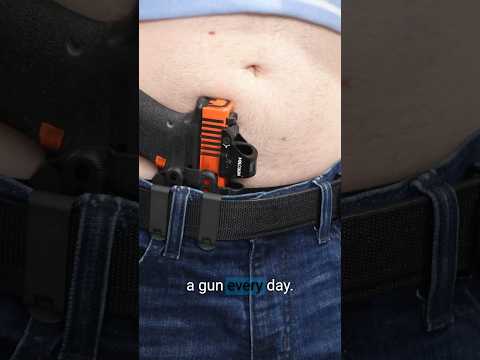
This video provides expert advice from an ER doctor on building and utilizing a trauma kit for concealed carriers. It emphasizes that trauma kits are more likely to be needed than a firearm and covers essential components like trauma shears, chest seals, Israeli bandages, and tourniquets. The guide details the 'Stop The Bleed' campaign's three-step approach to hemorrhage control and offers specific recommendations for tourniquet types and application, stressing the importance of immediate timing documentation.


Quick Summary

ER doctor Joel Madison emphasizes that trauma kits are crucial for concealed carriers, often more so than firearms. Essential components include trauma shears, chest seals, Israeli bandages, and tourniquets. The 'Stop The Bleed' campaign's three-step approach (direct pressure, wound packing, tourniquet) is vital for hemorrhage control.

Chapters

  1. 00:00Introduction and Purpose
  2. 00:23Trauma Kit Importance & Resources
  3. 00:51Trauma Kit Overview
  4. 01:19Trauma Shears
  5. 02:00Band-Aids and Chest Seals
  6. 02:51Israeli Bandage and Bleeding Control
  7. 03:40Stop The Bleed Tiers
  8. 04:30Tourniquet Application
  9. 04:59CAT vs. SWAT-T Tourniquets
  10. 05:31Tourniquet Duration and Timing
  11. 07:11QuikClot and Naloxone
  12. 08:12Emergency Blanket and Gloves
  13. 09:11Conclusion and Call to Action

Frequently Asked Questions

What are the essential components of a trauma kit for concealed carriers?

An essential trauma kit should include trauma shears for quick access, chest seals for penetrating chest wounds, an Israeli bandage for pressure dressing, and a reliable tourniquet for severe extremity bleeding. Items like QuikClot and an emergency blanket are also beneficial. The focus is on severe bleeding control.

What is the 'Stop The Bleed' campaign's approach to hemorrhage control?

The 'Stop The Bleed' campaign recommends a three-tiered approach: first, apply direct pressure to the wound for at least 10 minutes. If bleeding persists, pack the wound with gauze and apply a pressure dressing. The final step, for severe arterial bleeding, is to apply a tourniquet.

When should a tourniquet be used, and what are its limitations?

Tourniquets are highly effective for severe bleeding on extremities. They should not be used on the neck or junctional areas like the armpit or groin. For these areas, wound packing and direct pressure are the primary methods.

How long can a tourniquet be safely applied?

A tourniquet can be safely left on for up to two hours without causing permanent limb damage. It is critical to immediately document the exact time of application for emergency medical personnel to ensure proper care upon arrival.

Why is it important to have Naloxone (Narcan) in a personal medical kit?

Naloxone (Narcan) is an opioid overdose antidote that can rapidly reverse the effects of an opioid overdose. It is administered as a nasal spray and is generally benign, making it a valuable addition to a comprehensive personal medical kit for emergencies.

Related News

All News →

More Tactical & Gear Videos You Might Like

More from Modern Protector

View all →