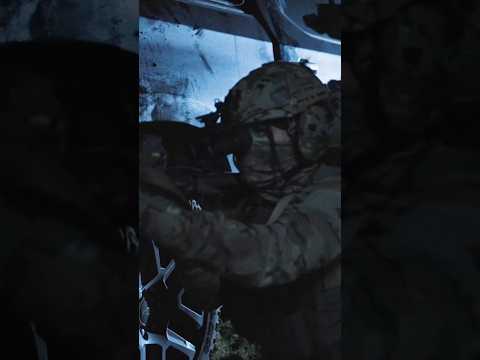
Urban Combat Survival CQB and Room Clearing. Urban Survival Part 2

Published on July 31, 2022
Duration: 30:46

This video provides advanced instruction on Close Quarters Battle (CQB) and room clearing techniques from instructors at Orion Training Group, including Garand Thumb. Key takeaways include deliberate clearance, precise footwork ('panning'), multi-man entry strategies, effective weapon manipulation in tight spaces, and the use of white light and night vision for low-light operations. The emphasis is on team-based survival tactics requiring extensive practice.

Quick Summary

Advanced CQB and room clearing tactics are detailed, emphasizing team-based survival. Key techniques include 'panning' around doorways at 'Dorito Speed,' strict muzzle discipline, immediate sector collapse during entries, and effective weapon manipulation like 'short-stocking.' Low-light operations utilize white light and NVGs with IR lasers for communication and stealth.

Chapters

  1. 00:00Introduction to Urban Survival and CQB
  2. 01:44Introduction of Orion Training Group
  3. 03:57Deliberate Clearance and Panning
  4. 05:55Footwork and Threshold Management
  5. 08:05Multi-Man Entry Principles
  6. 16:03Weapon Manipulation in Tight Spaces
  7. 18:00Corner-Fed vs. Center-Fed Rooms
  8. 20:25Low Light and White Light Tactics
  9. 25:01Night Vision Considerations

Frequently Asked Questions

What are the key principles of deliberate clearance in CQB?

Deliberate clearance involves solving problems from outside the room before entry. This includes techniques like 'panning' around the doorway at a controlled pace ('Dorito Speed') to maintain situational awareness and avoid telegraphing your position to potential threats inside.

How should firearms be manipulated during room clearing?

Strict muzzle discipline is paramount, keeping the firearm's muzzle pointed safely and avoiding flagging teammates. When maneuvering through doorways, techniques like 'short-stocking' (bringing the stock over the shoulder) are used to maintain a compact profile while keeping the weapon ready.

What are the challenges and techniques for low-light room clearing?

Low-light operations require careful use of white light for scanning (baseboards to ceiling) and communication, avoiding scanning through optics. With NVGs, understanding their field-of-view limitations and using IR lasers/illuminators for stealthy communication is crucial.

Why is room clearing considered dangerous in urban combat?

Room clearing is one of the most dangerous tactical actions because it involves entering an unknown, potentially hostile environment. It is a team-based skill requiring extensive practice, and attempting it alone is extremely risky and often referred to as 'suicide'.

More Tactical & Gear Videos You Might Like

More from Garand Thumb

View all →