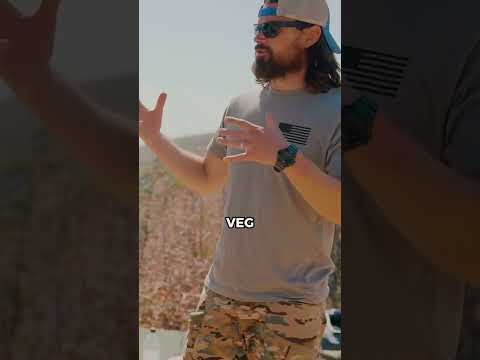
Veterans Pick Navy Seals Or Green Berets

Published on November 8, 2021
Duration: 20:20

This video features Nikko Ortiz and Theo from Combat Arms Channel, both military veterans, discussing the differences between Navy SEALs and Green Berets. They offer an expert-level comparison of the selection processes, training pipelines, and mission sets of these elite special operations forces. The discussion highlights the unique challenges and focuses of each, providing valuable insights for those interested in military special operations.

Quick Summary

Veterans Nikko Ortiz and Theo compare Navy SEALs and Green Berets, highlighting distinct training philosophies and mission sets. While SEAL BUD/S is intensely physically demanding for initial qualification, the Green Beret pipeline is longer and more academically/mentally taxing. SEALs focus on direct action, while Green Berets specialize in Foreign Internal Defense (FID).

Chapters

  1. 00:00Introduction and Comparison Overview
  2. 01:19BUD/S vs. SFAS Demands
  3. 03:15Mission Set Differences
  4. 05:02Training Duration and MOS Specialties
  5. 07:10Cross-Branch Transitions
  6. 09:28Final Verdict on Difficulty

Frequently Asked Questions

What are the primary mission differences between Navy SEALs and Green Berets?

Navy SEALs primarily focus on direct action missions, such as capturing or eliminating High-Value Targets (HVTs). Green Berets, while capable of direct action, specialize in Foreign Internal Defense (FID), which involves training and advising foreign allied forces to counter internal threats.

How does the training duration compare between Navy SEALs and Green Berets?

The Army Special Forces pipeline for Green Berets is significantly longer, typically ranging from 64 to over 100 weeks. Navy SEAL training, while intensely difficult, has a different structure and duration, with BUD/S being the initial rigorous phase.

What are the key differences in selection and training philosophy between BUD/S and SFAS?

Navy SEAL BUD/S emphasizes extreme physical attrition and maritime skills, making initial qualification very difficult. Army Special Forces SFAS and subsequent training focus more on long-term endurance, critical thinking, problem-solving, and academic/mental challenges over an extended period.

What are some specialized MOS roles within Army Special Forces?

Key MOS roles within Army Special Forces include 18 Bravo (Weapons Sergeant), 18 Charlie (Engineer Sergeant), 18 Delta (Medical Sergeant), and 18 Echo (Communications Sergeant), each requiring extensive specialized training and expertise.

More Tactical & Gear Videos You Might Like

More from Nikko Ortiz

View all →