What Happens If I Get Shot At Work #police #officerq #leo

Published on October 9, 2023
Duration: 0:25

This video, featuring Officer J. Quirarte, discusses the immediate physiological and tactical responses of a law enforcement officer when facing gunfire. It highlights the critical importance of training and mental preparedness for survival and effective return fire in such high-stress situations. The content underscores the dual possibilities of immediate incapacitation or the ability to continue the fight.

Quick Summary

When a police officer is shot on duty, the immediate consequences are typically one of two outcomes: immediate incapacitation, preventing further action, or surviving the initial impact to continue the fight and potentially return fire. Training is key to managing this response.

Chapters

  1. 00:00Introduction: Officer Shot On Duty
  2. 00:04Immediate Outcomes: Incapacitation vs. Return Fire

Frequently Asked Questions

What are the immediate consequences for a police officer who is shot while on duty?

When a police officer is shot on duty, the immediate consequences are typically one of two outcomes: immediate incapacitation, preventing further action, or surviving the initial impact to continue the fight and potentially return fire.

How does training affect an officer's response when shot?

Effective training is crucial for an officer's response when shot. It influences their ability to manage the physiological shock, maintain situational awareness, and potentially continue the engagement, rather than being immediately incapacitated.

What tactical gear is typically worn by officers discussing duty-related scenarios?

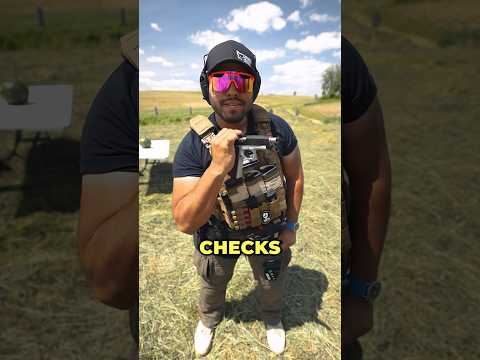
Officers discussing duty-related scenarios, like Officer J. Quirarte, are often seen in full police uniforms, including tactical vests, radios, and sometimes shoulder-mounted lights, indicating preparedness for high-stress situations.

Related News

All News →

More Tactical & Gear Videos You Might Like

More from Johnny Q

View all →