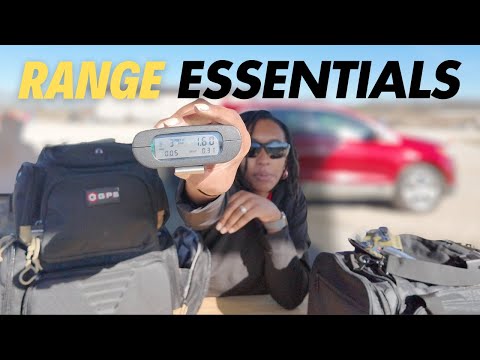
What to Keep In Your Range Bag With Jude and Caleb

Published on March 27, 2026
Duration: 21:08

This video details the contents of two experienced shooters' range bags, offering a comprehensive look at essential gear for a day at the range. Key items include robust medical kits, a wide array of tools for firearm adjustments and maintenance, advanced ballistics calculation devices, and personal protective equipment. The presenters emphasize preparedness for various scenarios, from minor mishaps to advanced shooting data collection, and highlight the importance of organization and quality gear for an optimal shooting experience.

Quick Summary

A comprehensive firearm range bag should contain eye and ear protection, a detailed medical kit with trauma supplies, cleaning essentials like CLP and grease, a versatile tool kit for adjustments, and data-gathering devices such as a rangefinder and ballistic calculator to enhance shooting accuracy.

Chapters

  1. 00:00Introduction to Range Bags
  2. 00:08Jude's Range Bag Contents
  3. 01:07Eye and Ear Protection
  4. 01:35Rangefinder and Medical Kit
  5. 01:53Gun Belts vs. Range Bags
  6. 02:12Notepad for Shooting Data
  7. 02:27Tools and Accessories
  8. 02:45Savior Bags and Pockets
  9. 03:00Lens Cleaning and Staples
  10. 03:39Cleaning Supplies: CLP and Grease
  11. 03:50Tool Kit: Screwdrivers and Allen Keys
  12. 04:21Cleaning Kit for 9mm
  13. 04:39Pliers and Channel Locks
  14. 04:45Disposable Eye Protection
  15. 05:00Shot Timer Instructions
  16. 05:35Caleb's Range Bag - Exterior
  17. 05:58Medical Indicator and Shears
  18. 06:12Basic Boo Boo Kit
  19. 06:37Blue Force Gear Trauma Kit
  20. 07:55Caleb's Range Bag - Other Side
  21. 08:02Sharpie and Foamies
  22. 08:23Garmin Chronograph and Kestrel
  23. 09:03Cloud Halo K2000 Binos
  24. 09:56Building a Dope Chart
  25. 11:08Front Pockets and Spare Mags
  26. 11:35Extra Eye Pro for Guests
  27. 11:45Inside the Bag: Targets
  28. 12:16Ear Pro: Auto Over-Ear
  29. 13:01Armageddon Gear Bag
  30. 13:39Shot Timers: Kestrel and Shooter Global Go
  31. 14:44Rechargeable Batteries
  32. 15:14Tool Area and Back Pocket
  33. 15:20Santinis and Eye Protection Rotation
  34. 15:46Tape Measure Utility
  35. 16:22Torx Set and Electrical Tape
  36. 16:44Detailed Tool Kit Breakdown
  37. 17:37Multitasker Nanos for Optics
  38. 18:05Tool Kit Philosophy
  39. 18:35Tiered Tool Storage
  40. 19:00Comparing Range Bags
  41. 19:27Slimming Down the Tool Kit
  42. 19:51Final Thoughts and Tips
  43. 20:06Range Day Logistics
  44. 20:25Overall Gear Assessment
  45. 20:47Call to Action and Comments
  46. 20:53Brownells Tech Line
  47. 21:00Outro

Frequently Asked Questions

What essential items should be in a firearm range bag?

A comprehensive range bag should include eye and ear protection, a robust medical kit with trauma supplies, cleaning supplies (CLP, grease), a versatile tool kit with drivers and punches, a rangefinder or ballistic calculator, targets, and a notepad for data recording. Extra safety gear for guests is also recommended.

How can I improve my shooting accuracy with data?

Utilize a chronograph to measure muzzle velocity and a rangefinder for distance. Combine this data with environmental factors in a ballistic calculator like a Kestrel to create precise dope charts for your specific ammunition and firearm.

What tools are necessary for firearm maintenance at the range?

A good range tool kit should include various Allen keys, Torx drivers, flathead screwdrivers, and punches for optic adjustments, action screw retorquing, and minor repairs. Specialized tools like Multitasker Nanos are useful for optic adjustments.

What is the purpose of a ballistic calculator in a range bag?

A ballistic calculator, such as a Kestrel, helps predict bullet trajectory by factoring in environmental conditions (wind, temperature, altitude) and ammunition ballistics. This allows shooters to create accurate dope charts for precise shot placement at various distances.

More Tactical & Gear Videos You Might Like

More from Brownells, Inc.

View all →