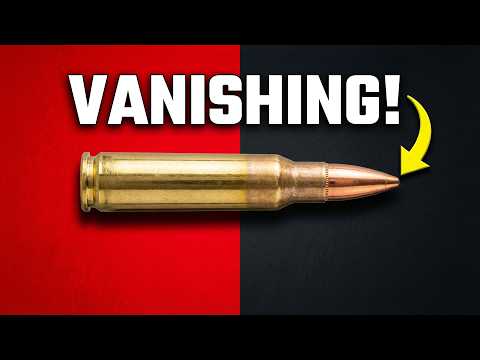
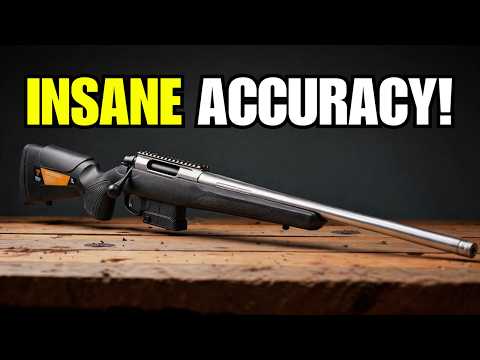
What to look for in an AR-15

Published on July 14, 2018
Duration: 8:44

This guide, informed by Mike Glover's expertise from FieldCraft Survival, details selecting and integrating key components for an AR-15. It covers essential elements like barrel length, twist rate, muzzle devices, lighting, optics, and slings, emphasizing modularity and practical application for survival and protection scenarios. The instruction highlights the importance of matching components for optimal performance.

Quick Summary

When selecting an AR-15, consider barrel length and twist rate (1:7" recommended for heavier bullets), recoil management via muzzle devices, quality optics like Aimpoint Micro T-1, weapon lights (Surefire Scout Light), and slings (VTAC). Modularity allows adaptation for various roles.

Chapters

  1. 00:00Introduction and Tribe Upgrade Program
  2. 00:58AR-15 Platform Overview
  3. 01:46Gas System and Recoil
  4. 02:29Muzzle Devices and Lights
  5. 03:15Night Vision and Lasers
  6. 03:59Optics and Rails
  7. 04:17Sling Utility
  8. 05:29Barrel Twist and Ballistics
  9. 07:24Modularity and Uppers

Frequently Asked Questions

What are key components to consider when selecting an AR-15 for practical use?

When selecting an AR-15, focus on barrel length (e.g., 10.5" for compactness), twist rate (1:7" for heavier bullets), a suitable gas system (like Direct Gas Impingement), recoil-managing muzzle devices, quality optics (red dots), weapon lights, and a versatile sling.

How does barrel twist rate affect AR-15 performance?

A faster barrel twist rate, such as 1:7 inches, is crucial for stabilizing heavier projectiles (62gr to 77gr) commonly used in 5.56 NATO. This ensures better accuracy and terminal ballistics compared to slower twists with heavier bullets.

What is the role of a muzzle device on an AR-15?

Muzzle devices like brakes and compensators on an AR-15 primarily manage recoil and muzzle flip, making follow-up shots faster. They can also be designed to accept suppressors, offering sound and flash reduction.

Why is modularity important for an AR-15 build?

The AR-15's modularity allows users to easily swap upper receivers, enabling the rifle to be adapted for different roles—from a short-barreled carbine for defense to a longer-barreled rifle for hunting—while retaining the same lower receiver.

Related News

All News →

More Tactical & Gear Videos You Might Like

More from The FieldCraft Survival Channel

View all →