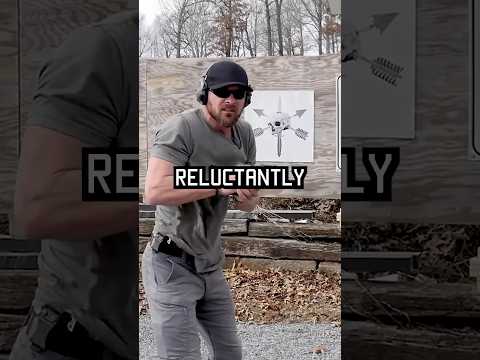
Why Did He Have To Shoot The Robber Who Had A Fake Gun So Many Times?

Published on January 10, 2023
Duration: 8:51

Colion Noir, an expert in defensive shooting, explains the psychological and physiological effects of high-stress encounters, using a USCCA training simulation as a case study. He emphasizes that perception of time and action is distorted under duress, leading to more shots fired than anticipated. The core principle discussed is the 'stop the threat' objective, which involves continuing to engage until the perceived danger, specifically the presence of a weapon, is neutralized. Noir also highlights the importance of post-shoot preparedness, including legal and mental processing, and advocates for USCCA membership for training and liability insurance.

Quick Summary

Under stress, a shooter's perception of time and action is distorted, often leading to more rounds fired than intended. The goal in self-defense is to 'stop the threat' – neutralize the danger until the weapon is no longer a factor. Organizations like USCCA offer training and liability insurance to prepare for these high-stress encounters and their aftermath.

Chapters

  1. 00:00Houston Robbery Overview
  2. 00:35Shot Count Under Stress
  3. 01:09Perceptual Distortion
  4. 01:37Psychological Impact
  5. 02:35Simulation Scenario
  6. 04:00Stop the Threat Objective
  7. 05:01Reaction Time Lag
  8. 06:42USCCA Benefits

Frequently Asked Questions

Why do concealed carriers sometimes fire more shots than they intend during a defensive encounter?

Under extreme stress, a shooter's perception of time and action is distorted. What feels like a few shots can actually be many more due to adrenaline and the fight-or-flight response, making it difficult to accurately gauge the number of rounds expended.

What is the primary goal when using deadly force in self-defense?

The primary objective is to 'stop the threat' – to neutralize the immediate danger posed by an assailant. This means continuing engagement until the perceived threat, particularly the presence or use of a weapon, is no longer a factor, rather than aiming for a specific number of shots or to kill.

What are the key benefits of USCCA membership mentioned in the video?

USCCA membership provides access to firearm education, specialized training for self-defense scenarios, and crucial self-defense liability insurance. This comprehensive support aims to prepare members for the legal and personal aftermath of a defensive encounter.

How does stress affect a shooter's perception during a critical incident?

Stress significantly distorts reality. It alters the perception of time, making events seem faster or slower, and can lead to an inaccurate count of actions taken, such as the number of shots fired. This perceptual distortion is a critical factor in defensive shooting.

Related News

All News →

More Tactical & Gear Videos You Might Like

More from Colion Noir

View all →