Why does Geronimo have a Confederate Revolver?

Published on December 6, 2023
Duration: 15:20

This video explores the 'interim period' of the Old West (roughly 1860-1880) where older percussion firearms coexisted with newer cartridge-based weapons. The presenter, an experienced firearms instructor, details how surplus military equipment and older revolvers remained in common use due to cost and familiarity, even after the introduction of more modern firearms like the 1873 Colt Single Action Army. The content highlights practical adaptations, such as modifying holsters and using mixed ammunition types, reflecting the resourcefulness of the era.

Quick Summary

The 'interim period' of the Old West (circa 1860-1880) saw percussion revolvers and early cartridge firearms coexist due to surplus military equipment, cost-effectiveness, and user familiarity. Holsters were often modified to fit newer cartridge belts, and older firearms like the Confederate Dance revolver remained in use well into the late 19th century.

Chapters

  1. 00:00Introduction: The Interim Period of the Old West
  2. 00:57Gear on the Table: Revolvers and Cartridge Belts
  3. 01:11Civil War Surplus and Western Armament
  4. 01:56Understanding Cartridge vs. Percussion Systems
  5. 02:29Early Cartridge Revolvers and Frontier Needs
  6. 03:09Cartridge Rifles: Henry and Winchester
  7. 03:42The Reality: Percussion Sidearm with Cartridge Belt
  8. 04:03Historical Impressions and Apache Moccasins
  9. 05:00Holster Modifications: Military Surplus to Civilian Use
  10. 06:38The Interim Period (1860-1880): Prolific Surplus
  11. 07:06Colt Conversions and Early Cartridge Revolvers
  12. 08:03Perception vs. Reality: Percussion Revolvers Persist
  13. 08:54Geronimo and the Confederate Dance Revolver
  14. 10:01Percussion Revolver as Backup Weapon
  15. 11:17Economic Realities on the Frontier
  16. 12:05The Gradual Shift to Cartridge Firearms
  17. 13:50Conclusion: Resourcefulness and the Interim Period

Frequently Asked Questions

Why did people in the Old West continue using percussion revolvers alongside cartridge firearms?

Many individuals continued using percussion revolvers due to the vast amount of surplus firearms available from the Civil War, the cost-effectiveness of older weapons, and personal familiarity and comfort with their existing sidearms. Upgrading to newer cartridge firearms was not always financially feasible or necessary for their perceived needs.

What was the 'interim period' of Old West firearms?

The 'interim period,' roughly from 1860 to 1880, describes the time when older percussion firearms, like revolvers and cap-and-ball pistols, were still widely used even as newer self-contained cartridge firearms, such as lever-action rifles and early cartridge revolvers, began to emerge and gain popularity.

How were holsters adapted for different firearms and belts in the Old West?

Holsters, often surplus military items designed for saber belts, were frequently modified to fit newer cartridge belts or money belts. This included altering attachment points or creating new loops to accommodate different firearm types and carry methods, reflecting the practical resourcefulness of the era.
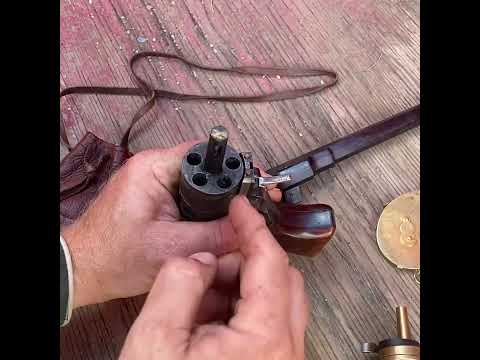
Did the introduction of the Colt Single Action Army make percussion revolvers obsolete?

No, the introduction of the Colt Single Action Army in 1873 did not immediately make percussion revolvers obsolete. Millions of percussion revolvers were already in circulation, and many owners saw no immediate need to replace reliable, familiar firearms, especially given the cost and availability of newer cartridge guns.

More Tactical & Gear Videos You Might Like

More from InRangeTV

View all →