Your Ego Is Not Your Amigo; Lessons From Youngstown

Published on September 5, 2024
Duration: 20:45

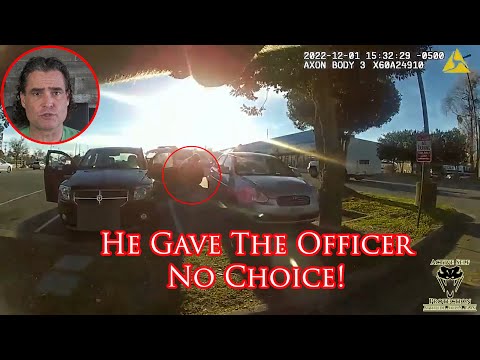
This analysis, presented by Active Self Protection experts John Correia and Mike Willever, dissects a critical incident involving a police officer in Youngstown, Ohio. It highlights significant tactical errors, including poor de-escalation, unprofessional conduct, and a dangerous weapon retention crisis. The video emphasizes the crucial need for physical fitness and emotional control for law enforcement officers to effectively manage volatile situations and avoid escalating encounters.

Quick Summary

Active Self Protection experts analyze a critical Youngstown incident, highlighting officer tactical errors like poor de-escalation and drawing a firearm during a close-quarters struggle. The analysis stresses the importance of officer physical fitness and emotional control to prevent weapon retention crises and unprofessional conduct.

Chapters

  1. 00:00Introduction and Sponsor
  2. 00:49Incident Context
  3. 03:42Physical Altercation
  4. 05:12Weapon Retention Crisis
  5. 06:47Charges and Analysis
  6. 08:26Professionalism and Fitness
  7. 11:18Tactical Errors

Frequently Asked Questions

What tactical errors were highlighted in the Youngstown police incident analysis?

Key tactical errors included the officer's dismissive attitude, leaving a secure area to confront an individual, drawing a firearm during a close-quarters struggle with an unarmed suspect, and a lack of physical fitness, all contributing to a dangerous weapon retention crisis.

Why is officer physical fitness crucial in law enforcement encounters?

As demonstrated in the Youngstown incident, superior physical fitness can be decisive in a physical confrontation. Lack of strength and cardio can lead to an officer being overpowered, escalating risks like losing control of their firearm.

What is 'contempt of cop' and how did it affect the incident?

'Contempt of cop' describes an officer's unprofessional, dismissive attitude. In this case, it escalated tension with the individual, contributing to the physical altercation and the officer's poor decision-making during the encounter.

What role did the body-worn camera play in this analysis?

The Axon Body 3 camera provided crucial visual evidence, including overlays of date and location, and captured the dynamics of the physical altercation and weapon retention struggle, enabling detailed tactical analysis by experts.

More Tactical & Gear Videos You Might Like

More from Active Self Protection

View all →